
Medical Examination Lights
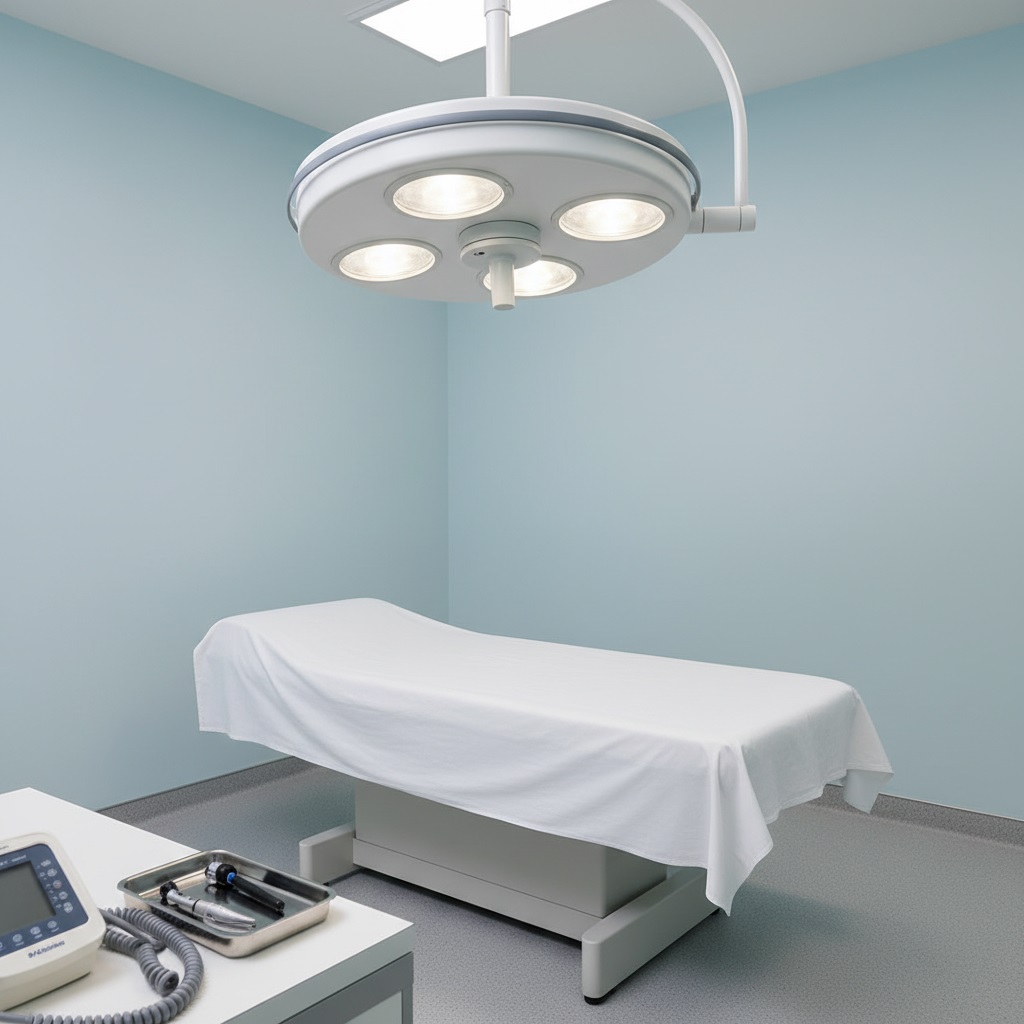
Medical Examination Lights: The Kind of Equipment You Only Notice When It’s Wrong
Jan
Walk into any clinic or hospital room, and you’ll see the same thing. A bed. A trolley. A light. Most people never think about that light until it causes a problem. Shadows in the wrong place. Glare in the eyes. Colours that do not look quite right. That is when medical examination lights suddenly matter.
In real clinical work, lighting is not decoration. It affects how confidently a clinician can assess, diagnose, and proceed. Good lighting stays invisible. Bad lighting slows everything down.
This is why medical examination lights deserve careful attention, especially in healthcare settings where long operating hours and high patient turnover are the norm.
What Medical Examination Lights Are Actually Designed To Do
A medical examination light is built for close, detailed work. It is meant to illuminate a specific area without flooding the entire room. Skin tone, tissue condition, wound edges, and fine detail all need to be visible without distortion.
General ceiling lights cannot do this properly. They spread light too widely and create shadows at the point of care. Examination lights focus illumination exactly where it is needed, at the right intensity, and with stable colour output.
Modern LED examination light systems have replaced older halogen models because they stay consistent. They do not heat the room, they do not fade quickly, and they perform the same at the end of the day as they do at the start.
How Examination Lights Are Used in Real Clinical Settings
Different clinical environments use lighting in different ways.
In a GP consulting room, the light needs to be quick to position and easy to move between patients. In hospitals, durability and ease of cleaning matter just as much as brightness. In specialist areas, such as dermatology or gynaecology, precision becomes the priority.
A gynaecology examination lamp, for example, must stay exactly where it is positioned and provide clear, focused illumination without glare. An examination light for hospital use may need to move between rooms or withstand near-constant operation.
There is no single “best” light. There is only the right light for how the room is actually used.
Common Types of Examination Lighting
Most healthcare facilities rely on a mix of lighting formats.
A wall-mounted examination light is common in permanent rooms where space needs to stay clear. These units are always ready and do not clutter the floor.
An examination light with a stand offers flexibility. It can be moved between rooms or repositioned as patient flow changes. These are often seen in treatment areas and shared clinical spaces.
Ceiling-mounted lights are usually reserved for procedure rooms. They provide excellent reach and reduce congestion around the patient area.
Some facilities also use desk-mounted or fixed-screw options for detailed work where stability is more important than coverage.
What Separates a Good LED Examination Light from a Frustrating One
Brightness alone does not make a light usable. What matters is how the light behaves during real work.
A well-designed LED examination light produces even illumination, not a harsh hotspot in the centre with dark edges. Colour accuracy is critical. Skin and tissue should look natural, not washed out or overly warm.
Movement matters too. Arms should adjust smoothly and stay in place. Lights that drift during an examination break concentration and slow the process.
Hygiene is another factor that gets overlooked. Smooth finishes and sealed joints make cleaning easier and support infection control routines.
Thinking Beyond Examination Light Price
Cost always comes into the conversation. Examination light price varies widely depending on configuration, mounting type, and output. The mistake is choosing based on price alone.
Cheaper units often cost more over time through maintenance, downtime, or early replacement. Reliable lighting reduces interruptions and keeps staff comfortable during long shifts.
For Australian healthcare providers, working with a local supplier helps ensure equipment aligns with local standards, power requirements, and everyday clinical expectations. That kind of practical fit matters far more than chasing long feature lists that rarely add value in real-world use.
FAQs: What People Commonly Ask
Q. What is an LED examination light used for in medical care?
A. It provides focused illumination for clinical assessments, diagnostics, and minor procedures.
Q. Are wall-mounted examination lights suitable for busy hospitals?
A. Yes. They are commonly used where room layouts are fixed, and floor space needs to remain clear.
Q. What type of light is used for gynaecology examinations?
A. A gynaecology examination lamp is designed for close, controlled illumination and stable positioning.
Q. Is an examination light with a stand better than a fixed model?
A. Neither is better by default. Mobile lights offer flexibility, while fixed units suit permanent rooms.
Q. How much should a clinic expect to spend on an examination light?
A. Pricing depends on design and mounting. Entry-level units differ significantly from ceiling-mounted systems.
Q. What is a medical light board used for?
A. A medical light board is typically used for viewing images or reference material, not direct examination.
