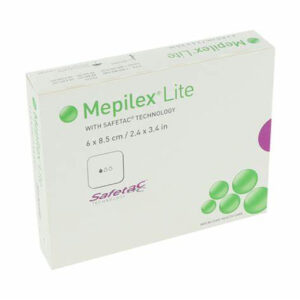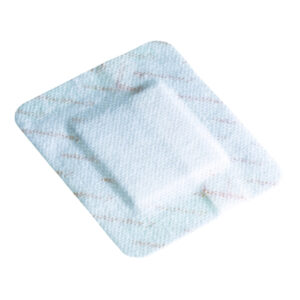
Bandages
Bandages & wound care products encompass an essential category of clinical supplies used to protect, support, secure and dress wounds of all kinds. Whether treating surgical incisions, cuts
...Bandages & wound care products encompass an essential category of clinical supplies used to protect, support, secure and dress wounds of all kinds. Whether treating surgical incisions, cuts and abrasions, chronic wounds, or post‑procedure sites, these products help clinicians and caregivers support healing, protect vulnerable tissue and minimise infection risk.
Throughout healthcare environments in Australia including hospitals, GP clinics, aged care facilities, rehabilitation centres, and community health services in regions such as Victoria quality bandages & wound care Australia products support efficient clinical care and everyday wound management. Unlike general retail bandages, clinical wound care products are engineered to meet healthcare quality standards, maintain performance under frequent use, and support professional care protocols.
Effective wound care begins with the right product selection, ensuring that each dressing, support bandage or securing accessory is suited to both clinical requirements and patient needs.
What This Category Covers
This category includes a broad range of bandages and wound care solutions designed to meet various wound types and stages of healing. Products in this group help protect wounds, secure primary dressings, provide compression, support injured tissues and assist with fluid management.
These products commonly include:
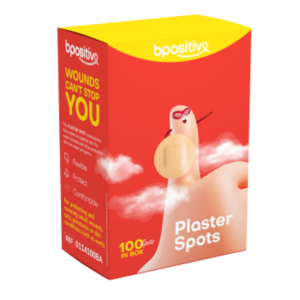
- Adhesive bandages and strips : for minor cuts, abrasions and small wounds
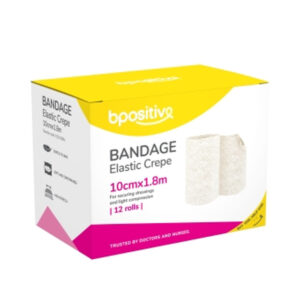
- Elastic and compression bandages : for swelling control and joint support
- Cohesive and non‑adhesive wraps : gentle securement without sticky residue
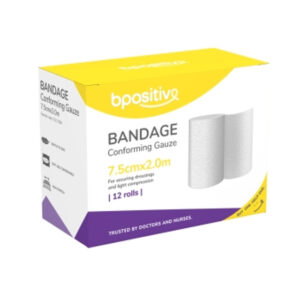
- Gauze dressings and rolls : versatile coverage and absorbency options
- Medical tapes and securing accessories : to hold dressings in place
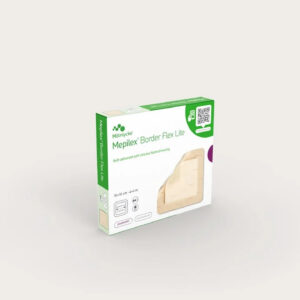
- Specialised wound wraps : designed for limbs, joints or anatomical contours
Together, these products provide clinicians with a flexible toolkit to support safe, comfortable and effective wound care across diverse care settings.
Who It Is For
Bandages & wound care supplies are used by healthcare professionals, caregivers and patients who must manage wounds safely and effectively. Nurses, doctors, wound care specialists, physiotherapists, allied health practitioners and community health workers rely on these products daily to help protect wound sites, support healing and prevent further injury.
Patients recovering from surgery, individuals living with chronic wounds, those with mobility limitations, or anyone coping with injuries in clinical or home‑care settings benefit from appropriately selected bandages and wound care solutions. Across Victoria and Australia, these products help caregivers deliver daily wound support with confidence and safety.
Problems Bandages & Wound Care Help Solve
Wounds whether small or complex present multiple challenges that can complicate healing, lead to discomfort, and increase infection risk if poorly managed. Everyday band aids often fall short in clinical contexts where fluid management, pressure protection, secure fixation and changing dynamics influence wound outcomes.
Bandages & wound care products help address these challenges by:
- Providing secure, stable wound coverage in variable activity settings
- Supporting exudate and fluid balance to optimise healing conditions
- Reducing contamination and infection risk through protected dressing sites
- Offering compression and support to control swelling and stabilise tissues
By matching products to clinical needs, caregivers help reduce complications, protect vulnerable skin and support more comfortable recovery experiences.
Benefits for Healthcare Providers
Incorporating quality bandages & wound care Australia products into clinical practice brings both clinical and workflow benefits. These solutions help streamline dressing applications, reduce the need for repeated adjustments, and support consistent wound management protocols.
Bandages designed for healthcare use often offer improved materials, better adhesion control, reliable absorbency and ergonomic fit compared to consumer alternatives all of which improve performance and patient comfort. From a workflow perspective, easy‑to‑apply and reliable wound care products save time, reduce supply waste and support predictable clinical outcomes.
Key benefits include:
- Improved protection and secure dressing fixation
- Support for controlled wound fluid management
- Enhanced patient comfort and reduced disruption
- Greater reliability for clinical workflows
These advantages help care teams deliver safer, more effective wound care across clinical settings.
Common Clinical Applications
Bandages & wound care products are used extensively where wound protection, movement support, compression and secure dressing placement are required. In acute care hospital wards, these products help protect surgical wounds and manage post‑procedure dressings. In rehabilitation and therapy settings, elastic, compression and support bandages help stabilise joints and soft tissue during recovery.
In aged care environments and community health settings, these solutions support the ongoing care of chronic wounds, pressure injuries and everyday cuts, helping caregivers maintain optimal skin integrity and comfort for residents and clients.
Use Cases by Healthcare Sector
- Hospitals and Acute Care Settings
Bandages & wound care Australia products are used to manage surgical sites, minor injuries and dressing changes across wards, emergency departments and procedural spaces where secure, reliable wound care is needed throughout a patient’s stay. - General Practice and Specialist Clinics
Clinicians in GP or specialist practices use bandages and supporting products for everyday wound management, dermatological care, suture support and minor procedural dressing needs. - Aged Care and Residential Healthcare
In aged care settings, bandages support residents with fragile skin, pressure areas and mobility‑related injuries providing protection and comfort throughout daily care routines. - Community Health and Home Care Services
Mobile healthcare workers and home carers use bandages and wound care products during home visits to manage injuries, chronic wounds and protective dressing needs in non‑clinical environments. - Allied Health and Rehabilitation
Allied health practitioners apply these products to support joint wraps, compression needs, muscle support and safe mobilisation during therapy and recovery programmes.
Compliance, Safety & Handling
Using bandages & wound care products safely requires clinicians and caregivers to follow clinical application protocols, hygiene practices and manufacturer guidance. Wounds should be cleaned and assessed before applying dressings to reduce infection risk and promote optimal healing.
Bandages and supporting wraps should be sized appropriately to avoid impaired circulation, discomfort or slippage. Secure fixation methods, such as tapes and adhesive edges, must be applied with attention to skin sensitivity and protection. Products should be changed at clinically appropriate intervals, and waste materials disposed of according to clinical waste management guidance to minimise contamination and support safe care environments.
Why Buy Bandages & Wound Care Products From a Trusted Supplier
Healthcare and caregiving teams need bandages & wound care products engineered specifically for clinical use not generic or consumer‑grade alternatives that may fail under healthcare demands. A trusted supplier ensures access to products that meet healthcare quality standards, provide reliable performance under frequent use, and support consistent clinical outcomes.
Medical suppliers also offer guidance on choosing the right products for different wound types, activity levels and anatomical needs. Coupled with access to refill packs, sizing options, compatible tapes and support accessories, trusted suppliers help facilities maintain continuity in wound care delivery and support positive patient experiences.