Wound Care
Wound care refers to the specialised practices, products, and procedures used to promote healing, prevent infection, and manage tissue injury resulting from surgery, trauma, burns, pressure ulcers, cuts,
...Wound care refers to the specialised practices, products, and procedures used to promote healing, prevent infection, and manage tissue injury resulting from surgery, trauma, burns, pressure ulcers, cuts, lacerations, or chronic conditions such as diabetes. In healthcare environments, wound care is essential to patient recovery, comfort, and the prevention of complications such as infection, delayed healing, or tissue necrosis.
Across hospitals, clinics, aged care facilities, outpatient centres, community health services, and home care settings throughout Australia including Victoria high‑quality wound care Australia products help healthcare providers deliver effective treatment, protect vulnerable tissues, support healing environments, and uphold infection control standards.
Unlike general retail bandages or consumer dressings, clinical wound care supplies are designed to meet healthcare specifications, provide precise performance, and support professional care protocols used by clinicians, nurses, wound specialists, and caregivers.
What This Category Covers
The Wound Care category includes a comprehensive range of products designed to support wound management, healing progression, protection, and infection prevention. These solutions are suitable for acute, chronic, surgical and everyday wound care needs.
This category typically includes:
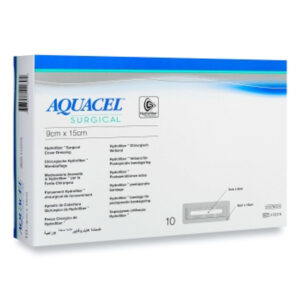
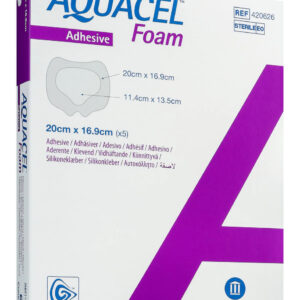
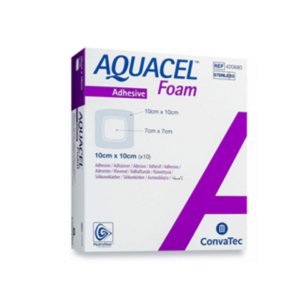
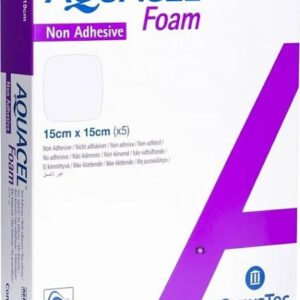
- Primary dressings : such as hydrocolloids, foams and alginates for wound coverage
- Secondary dressings and tapes : to secure primary dressings and protect wound sites
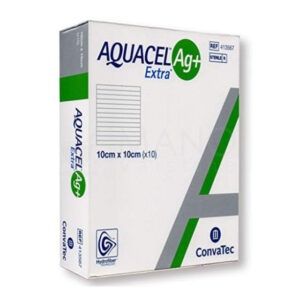
- Antimicrobial and infection‑control products : including gels, ointments and impregnated dressings
- Bandages and compression wraps : to support wound stability and swelling control
- Specialised wound care accessories : such as swabs, cleaning solutions, applicators and protective barriers
These products are designed to support comprehensive wound management tailored to individual clinical needs and wound types.
Who It Is For
Wound care products are used by a variety of healthcare professionals, caregivers, and patients who need to manage wounds safely and effectively. Nurses, doctors, wound care specialists, allied health practitioners, community health workers and home carers all rely on clinical wound care supplies to promote healing and protect vulnerable skin and tissue.
Patients who are recovering from surgery, managing acute injuries, living with chronic wounds, or receiving care in community or home‑based settings benefit from well‑selected wound care products. In Victoria and wider Australia, clinical teams depend on quality wound care solutions to support clinical protocols and improve patient outcomes.
Problems Wound Care Helps Solve
Wounds whether minor or complex can present multiple clinical challenges, including pain management, infection risk, delayed healing, fluid imbalance (exudate) and scar formation. Left unmanaged, wounds may deteriorate, cause discomfort, or lead to further complications such as deeper tissue injury or systemic infection.
- Wound care products help address these issues by:
- Supporting effective infection prevention through antimicrobial dressings and products
- Managing wound exudate via absorbent materials to optimise moisture balance
- Providing protective barriers that reduce contamination risk
- Offering secure and comfortable coverage to support safer mobility and hygiene
Through appropriate product selection and clinical application, wound care solutions help clinicians and caregivers promote healing environments and reduce risks associated with poor wound management.
Benefits for Healthcare Providers
Integrating high‑quality wound care Australia products into clinical practice offers both patient‑focused and operational benefits. These products help accelerate healing, reduce complication rates, support infection control protocols, and provide caregivers with reliable tools for consistent care.
Effective wound care solutions improve patient comfort while reducing the need for frequent dressing changes, which can be disruptive and resource‑intensive. They also support precise clinical documentation and treatment planning by offering predictable performance criteria.
Key benefits include:
- Enhanced healing outcomes with targeted products for specific wound types
- Reduced infection risk through antimicrobial and protective solutions
- Improved patient comfort and mobility with secure and gentle dressings
- Streamlined care protocols that support efficient clinical workflows
- These advantages help care teams deliver better outcomes and support positive patient experiences.
Common Clinical Applications
Wound care products are used in a wide variety of clinical scenarios. In acute care settings, dressings and wound solutions are used post‑surgery to protect incisions and support tissue recovery. In outpatient and community care, wound care products help manage everyday injuries, abrasions, cuts and ulcers.
Chronic wound management, such as diabetic foot ulcers, pressure injuries, or vascular ulcers, requires specialised products that maintain optimal wound environments over extended periods. In aged care facilities, effective wound care supports residents with mobility issues, skin fragility, and compromised healing capacity.
Across clinical settings, wound care helps ensure effective, consistent and safe healing practices.
Use Cases by Healthcare Sector
- Hospitals and Acute Care Facilities
In hospitals, wound care Australia products are used to manage surgical sites, traumatic injuries, pressure areas and postoperative wounds supporting rapid clinical response and systematic healing protocols. - General Practice and Specialist Clinics
Clinics use wound care solutions for minor injuries, suture sites, dermatological procedures, and follow‑up care, enabling clinicians to support healing while patients continue daily routines. - Aged Care and Residential Healthcare
In aged care environments, wound care supports residents with skin integrity challenges, mobility‑related injuries, pressure areas, and chronic wound management, helping maintain comfort and reduce complication risks. - Community Health and Outreach Services
Mobile health providers and community clinics use wound care products during health assessments, screenings, minor treatment visits, and community events where on‑the‑spot wound management is needed. - Home and Community Care Settings
Home care workers and family caregivers use clinical wound care supplies to manage chronic wounds, everyday injuries and postoperative care in residences ensuring continuity of care outside formal clinical settings.
Compliance, Safety & Handling
Proper use of wound care products requires adherence to clinical standards, hygiene protocols, and careful handling to minimise infection risk. Wounds should be cleaned using appropriate solutions and techniques before applying dressings or antimicrobial solutions to establish a safe healing environment.
Healthcare professionals must ensure that dressings are applied according to manufacturer instructions and secured properly to prevent displacement, leakage or contamination. Changing dressings at appropriate intervals based on wound type, exudate level and care plans is essential to maintain optimal healing conditions.
Safe disposal of waste materials (used dressings, swabs, contaminated products) must follow clinical waste management protocols to minimise environmental and staff exposure risks.
Why Buy Wound Care Products From a Trusted Supplier
Healthcare providers require wound care solutions that are engineered for clinical performance, reliability and consistent quality not generic or consumer‑grade alternatives that may not meet care standards. A trusted supplier ensures access to wound care products that align with healthcare requirements, provide reliable performance and support structured clinical protocols.
Experienced medical suppliers also offer guidance on product selection, helping care teams choose dressings, antimicrobial products and accessories that match wound types, patient needs and clinical workflows. Reliable supply chains, expert support and ongoing access to replacement stock help facilities maintain continuity in wound care delivery.