Air Purifier
Air purifiers are specially designed devices that improve indoor air quality by removing airborne contaminants such as dust, pollen, bacteria, viruses, smoke, odours and volatile organic compounds (VOCs).
...Air purifiers are specially designed devices that improve indoor air quality by removing airborne contaminants such as dust, pollen, bacteria, viruses, smoke, odours and volatile organic compounds (VOCs). In healthcare environments where air quality can directly influence patient comfort, staff wellbeing, and infection prevention, air purifiers play a vital role in supporting cleaner, safer indoor spaces.
Across hospitals, clinics, dental practices, aged care facilities, pathology labs, outpatient centres and community health services throughout Australia, including metropolitan and regional areas such as Victoria, air purifiers Australia are used to ensure that the air people breathe is as clean as possible. These systems complement ventilation strategies and infection control protocols by capturing particulate matter and reducing airborne irritants a valuable consideration in shared indoor areas.
When selected and maintained appropriately, air purifiers can help reduce the presence of airborne contaminants, support respiratory comfort, and contribute to a healthier environment that supports clinical and everyday care workflows.
What This Category Covers
The Air Purifiers category includes a comprehensive range of air cleaning systems that deliver various levels of filtration and performance to suit healthcare and high‑use indoor settings. These devices differ in capacity, filtration technologies, and specialised features depending on clinical requirements.
Typical product types in this category include:
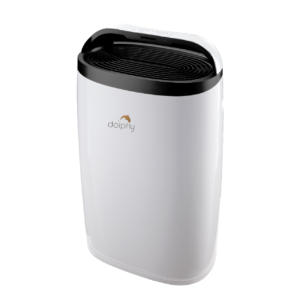
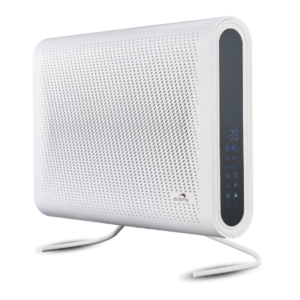
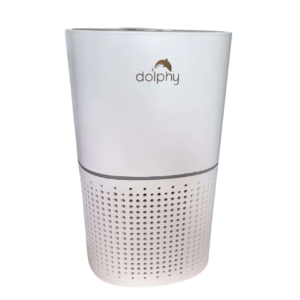
- Standalone air purification units : portable systems for rooms of varying sizes
- HEPA‑based air purifiers : using high‑efficiency particulate filters for fine particles
- Activated carbon air purifiers : designed for odour and VOC absorption
- Multi‑stage filtration systems : combining pre‑filters, HEPA and carbon filters for broad performance
- Commercial‑grade and high‑capacity models : suited to larger clinical spaces
Each unit supports targeted air quality goals, helping facilities select the right solution based on room size, anticipated use, and desired air cleanliness levels.
Who It Is For
Air purifiers are used by a wide array of healthcare professionals, facility managers, infection control teams, environmental services personnel, and safety officers responsible for maintaining healthier indoor environments. These units are especially relevant in areas with high foot traffic, shared occupancy, or where individuals may be sensitive to airborne allergens and irritants.
Facilities such as hospitals, GP and specialist clinics, dental surgeries, aged care facilities and community health centres throughout Victoria and Australia deploy air purifiers to support cleaner indoor air that aligns with hygiene practices, enhances patient comfort, and supports wellbeing for staff and visitors alike.
Individuals with respiratory concerns, allergies or immune‑compromised conditions also benefit from air purifiers in residential care areas, comfortable waiting rooms and therapy spaces.
Problems Air Purifiers Help Solve
Healthcare and clinical environments often face challenges related to indoor air quality, which can be influenced by building ventilation limitations, high patient volumes, seasonal allergens, odours from cleaning agents, and airborne microbial particles. Poor air quality can contribute to respiratory irritation, discomfort, allergic reactions, perceived stuffiness and concerns about airborne contamination.
Air purifiers help address these challenges by:
- Capturing fine particulate matter (e.g., dust, pollen, aerosols) that may aggravate respiratory systems
- Reducing airborne microbial load when equipped with HEPA filtration
- Removing odours and chemical compounds via activated carbon media
- Supporting perceived comfort and air freshness in shared clinical and waiting areas
By improving indoor air quality, air purifiers help create a more comfortable environment for patients, staff and visitors while supporting broader infection prevention and environmental health strategies.
Benefits for Healthcare Providers
Implementing quality air purifiers Australia into clinical and communal healthcare spaces offers several benefits. Cleaner air supports patient comfort, particularly for individuals with respiratory sensitivities or chronic conditions, while contributing to a healthier atmosphere that can reduce complaints related to stale or polluted indoor air.
Air purifiers also support infection prevention strategies by helping minimise airborne particles that may carry allergens or pathogens though they are used in conjunction with, not as a substitute for, robust clinical protocols.
Other benefits include:
- Improved indoor air quality that enhances comfort and perceived cleanliness
- Energy‑efficient filtration that complements ventilation and HVAC systems
- Enhanced respiratory comfort for patients, staff and visitors
- Reduced airborne odours and irritants for better indoor environment quality
- Support for allergen and pollutant reduction that contributes to overall wellbeing
These advantages help healthcare facilities maintain environments that are both clean and comfortable, supporting better experiences for all occupants.
Common Clinical Applications
Air purifiers are used in a variety of clinical scenarios where enhanced air quality can support both care processes and comfort. In waiting rooms and reception areas, purifiers help capture common pollutants brought in by high foot traffic and reduce odours while patients wait for appointments.
In treatment rooms, dental surgeries and procedural spaces, these systems contribute to perceived air freshness and may help capture particulates generated during certain procedures. Allied health environments, diagnostic imaging suites, therapy rooms and residential aged care facilities also benefit from dedicated air cleaning support integrated into their environmental hygiene programmes.
In spaces with shared occupancy or limited ventilation, air purifiers provide an added layer of environmental comfort that complements overall facility infection control practices.
Use Cases by Healthcare Sector
- Hospitals and Acute Care Facilities
In hospital settings, air purifiers Australia support air quality in waiting zones, public lobbies, staff lounges, treatment rooms and smaller enclosed spaces where improved air cleanliness contributes to comfort and wellbeing. - General Practice and Specialist Clinics
Clinics use air purifiers in consultation rooms, waiting areas, treatment bays and diagnostic suites to provide cleaner air that supports patient comfort and enhances the clinic environment during routine visits. - Dental and Allied Health Practices
Dental operative spaces, physiotherapy rooms and other allied health environments deploy air purifiers to complement sterilisation practices and help manage airborne particulates, maintaining a fresher indoor environment. - Aged Care and Residential Healthcare
In aged care facilities, air purifiers help support residents particularly those with respiratory concerns, allergies or compromised immunity by removing airborne irritants and improving perceived air freshness in shared spaces and residential wings. - Community Health and Outreach Services
Portable air purifiers are used in mobile clinics, community health events, screening programs and temporary care spaces to support cleaner indoor air where built‑in ventilation may be limited.
Compliance, Safety & Handling
Using air purifiers safely and effectively requires appropriate placement, regular maintenance and correct filter selection. Units should be installed according to manufacturer recommendations to ensure that air circulation supports optimal room coverage and that filters are suited to anticipated air quality goals.
Regular replacement of filters such as HEPA and activated carbon cartridges is essential to maintain performance, as overdue or clogged filters can reduce airflow, compromise filtration efficiency and increase strain on the unit. Facilities should also avoid placing purifiers too close to walls or obstructed spaces to ensure proper air intake and distribution.
Healthcare teams should follow infection control and environmental health protocols when cleaning unit surfaces, managing filter changes, and monitoring performance according to operating hours and room usage patterns.
Why Buy Air Purifiers From a Trusted Supplier
Healthcare facilities require air purifiers engineered for consistent performance, durability and compatibility with clinical environments not general consumer products that may not withstand heavy use. A trusted medical supplier ensures access to purifiers that meet quality standards, offer suitable filtration technologies (such as HEPA and activated carbon), and deliver reliable performance in clinical and shared spaces.
Experienced suppliers can advise on unit selection based on room size, clinical usage patterns, filtration needs, noise levels, energy efficiency and ongoing maintenance requirements. Access to replacement filters, technical guidance, warranty support and service resources helps healthcare teams maintain effective air quality systems that support patient comfort and perceived environmental safety.