ECG/Vital Signs
ECG & Vital Signs Monitors are essential clinical tools that enable accurate evaluation of key physiological parameters such as heart rhythm, blood pressure, pulse rate, oxygen saturation and
...ECG & Vital Signs Monitors are essential clinical tools that enable accurate evaluation of key physiological parameters such as heart rhythm, blood pressure, pulse rate, oxygen saturation and body temperature. These devices are widely used across healthcare environments to support patient assessment, monitoring and decision-making.
This category of healthcare monitoring solutions includes both point-of-care vital signs devices and cardiac diagnostic devices such as electrocardiogram (ECG) monitors. In acute and non-acute settings, these systems collect critical data that helps clinicians identify abnormalities, track patient progress, detect cardiac events early and support safe clinical interventions.
Across Australian healthcare facilities, reliable ECG & Vital Signs Equipment enhances the quality of clinical assessments and contributes to improved patient outcomes while aligning with national safety and compliance standards.
What This Category Covers
This category focuses on clinical devices designed to measure and monitor essential health indicators:
- ECG (Electrocardiogram) Monitors : track and record cardiac electrical activity
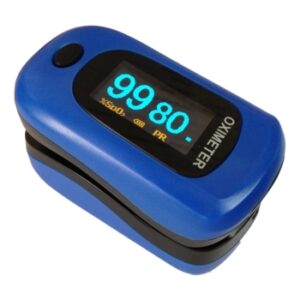
- Multi-Parameter Vital Signs Monitors : measure pulse, blood pressure, oxygen saturation (SpO₂), and temperature
- Portable ECG & Vital Signs Devices : compact, mobile monitoring for bedside use
- Wireless and Wearable Monitoring Solutions : for continuous observation outside traditional settings
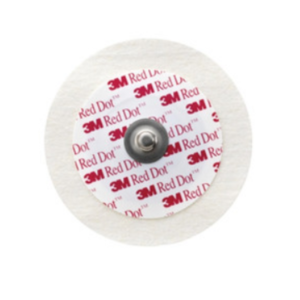
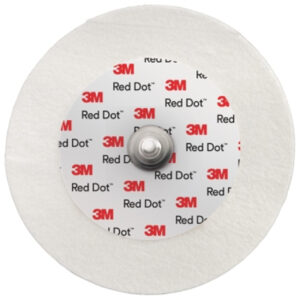
- Clinical Monitoring Accessories : cuffs, leads, electrodes, sensors and data cables
These products support both routine health examinations and specialised clinical workflows, ensuring clinicians have dependable physiological data at their fingertips.
Who It Is For
This category of medical vital signs monitors and ECG monitoring Australia tools is designed for health professionals who require accurate and timely clinical data:
- Doctors and cardiologists
- Nurses and clinical care teams
- Paramedics and emergency medical responders
- Aged care clinicians
- Hospital wards and intensive care units
- Diagnostic imaging and cardiology units
- Community health clinics and outreach programmes
These devices benefit any facility or clinician needing real-time physiological monitoring to inform care decisions or manage complex patient needs.
Problems This Category Can Solve
Healthcare environments face several challenges when patient data is incomplete, delayed or inaccurate. ECG & Vital Signs Monitors help address common clinical obstacles:
Delayed recognition of cardiac events
- ECG monitoring provides real-time rhythm evaluation
- Alerts clinicians to arrhythmias and heart abnormalities early
Inconsistent vital signs tracking
- Continuous tracking ensures trends are identified
- Prevents deterioration from going unnoticed
High workloads and manual charting errors
- Automated measurement reduces manual tasks
- Improves documentation accuracy
Limited visibility into patient condition
- Multi-parameter displays help clinicians see the full picture at a glance
- Supports faster clinical decision-making
Need for reliable monitoring in critical moments
- Portable and continuous systems ensure data availability during transfers or emergencies
Benefits for Healthcare Providers
Using quality healthcare monitoring solutions delivers multiple clinical and operational advantages:
- Improved clinical accuracy: precise measurement of cardiac and physiological data
- Enhanced patient safety: early detection of clinical deterioration
- Streamlined workflow: automated, continuous monitoring reduces manual effort
- Flexible care delivery: portable and wireless systems support diverse care environments
- Better patient outcomes: reliable trend data helps guide treatment decisions
- Compliance support: aligned with clinical protocols and safety standards
These benefits contribute to safer, more responsive patient care across hospital and community-based services.
Common Clinical Applications
ECG & Vital Signs Monitors are used in several core clinical scenarios:
✔ Cardiac diagnostics and rhythm evaluation
✔ Routine patient health screenings
✔ Pre-operative and post-operative monitoring
✔ Emergency department vital signs assessment
✔ Intensive care unit (ICU) patient surveillance
✔ Aged care regular check-ups
✔ Telehealth and remote patient tracking
These applications show how vital signs equipment enhances clinical insight in both urgent and non-urgent contexts.
Use Cases by Healthcare Sector
Hospitals and Emergency Departments
In acute care, ECG & Vital Signs Monitors are integral to patient triage, ongoing monitoring and critical care management. Real-time data supports rapid clinical decisions.- General Practice and Specialist Clinics
GPs and specialist practitioners use ECG and vital signs monitoring for health screenings, chronic disease management, and pre-referral evaluations. - Aged Care and Residential Facilities
Regular monitoring helps detect early signs of deterioration in elderly patients and supports proactive care planning. - Ambulance and Mobile Services
Portable cardiac diagnostic devices enable paramedics to monitor patients during transport, stabilising clinical indicators en-route to healthcare facilities. - Community and Remote Healthcare
Wireless and portable monitors extend essential healthcare diagnostics to rural and underserved populations.
Compliance, Safety & Handling
To ensure reliable performance and safe patient care, ECG & Vital Signs Equipment must be used and maintained according to best practice standards:
- Devices should comply with Australian regulatory requirements and healthcare device standards
- Regular calibration and performance checks maintain measurement reliability
- Cleaning and disinfection between patients reduces infection risk
- Clinical staff must be trained in proper device operation and interpretation
- Data security standards must be observed for digital and network-connected devices
Adhering to safety practices helps clinicians trust the data they base patient care upon.
Why Buy ECG & Vital Signs Equipment From Us
Choosing the right ECG & Vital Signs Monitors ensures your healthcare facility has dependable tools to support patient monitoring and risk identification. Key aspects of our offering include:
- Selection of clinical monitoring solutions suitable for varied healthcare settings
- Equipment designed for reliability and easy integration into clinical workflows
- Products that meet Australian healthcare quality expectations
- Ongoing support and guidance to assist with selection based on clinical need
We focus on matching devices to real clinical requirements rather than generic product listings, helping healthcare teams get the monitoring technology they need.