Diagnostic Equipment
Diagnostic Equipment Australia plays a vital role in supporting evidence-based healthcare by enabling clinicians to assess, monitor, and diagnose patient conditions accurately. Medical diagnostic equipment helps
...Diagnostic Equipment Australia plays a vital role in supporting evidence-based healthcare by enabling clinicians to assess, monitor, and diagnose patient conditions accurately. Medical diagnostic equipment helps healthcare professionals evaluate vital signs, detect abnormalities, and guide treatment decisions across multiple clinical environments.
Across Australian healthcare settings, healthcare diagnostic equipment supports patient safety, preventative care, and improved clinical efficiency. From routine general practice consultations to emergency response and aged care monitoring, reliable diagnostic tools allow clinicians to deliver informed and timely patient care.
Modern clinical diagnostic equipment supports both point-of-care assessments and continuous monitoring while aligning with Australian healthcare standards and infection control requirements.
What This Category Covers
The medical diagnostic equipment category includes devices used for patient examination, health monitoring, and clinical assessment. These tools allow healthcare professionals to collect measurable patient data during consultations, treatments, and emergency care situations.
This category typically includes:
- Blood pressure monitoring devices
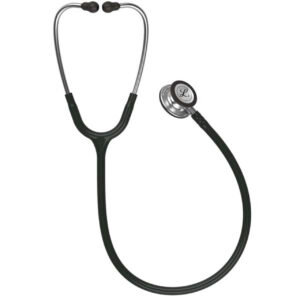
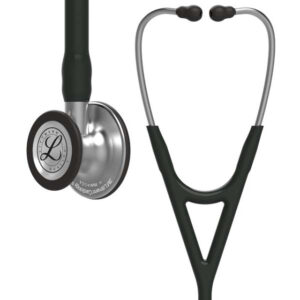
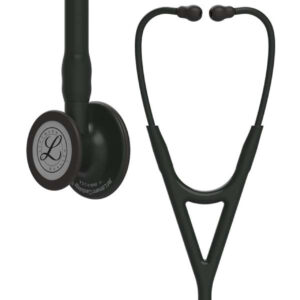
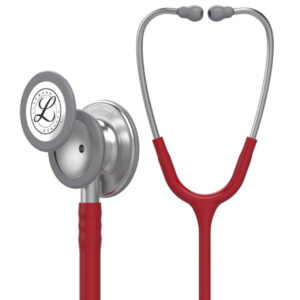
- Stethoscopes for cardiovascular and respiratory evaluation
- Digital and infrared thermometers
- Otoscopes and ophthalmoscopes for ear and eye examinations
- Pulse oximeters for oxygen saturation monitoring
- Diagnostic sets and examination kits
- Vital signs monitoring instruments
These types of healthcare diagnostic equipment support routine patient examinations as well as specialised clinical evaluations.
Who This Category Is For
Diagnostic equipment Australia is widely used across healthcare sectors where accurate patient evaluation is essential. It is commonly used by:
- General practitioners and specialist doctors
- Nursing and clinical healthcare teams
- Allied health professionals
- Emergency medical services and paramedics
- Hospitals and outpatient care centres
- Aged care and residential healthcare providers
- Community healthcare clinics and outreach medical services
Educational institutions and training facilities also rely on clinical diagnostic equipment to support healthcare training and skill development.
Problems Diagnostic Equipment Helps Solve
Healthcare providers rely on accurate clinical data to make safe and effective treatment decisions. Without reliable medical diagnostic equipment, clinicians may face challenges that affect patient care quality.
Diagnostic equipment Australia helps solve key healthcare challenges such as:
Delayed or missed diagnosis
- Supports early detection of patient health changes
- Helps clinicians identify underlying conditions quickly
Inconsistent patient monitoring
- Provides measurable and repeatable vital sign readings
- Supports monitoring of patient recovery and treatment progress
Time limitations during clinical assessments
- Enables quick and efficient patient evaluation
- Supports faster decision-making in high-demand healthcare environments
Risk of treatment complications
- Improves accuracy in clinical decision-making
- Supports safe treatment planning using reliable patient data
Limited healthcare access in regional areas
- Portable healthcare diagnostic equipment supports community and remote healthcare delivery
Benefits for Healthcare Providers
Using high-quality medical diagnostic equipment improves healthcare delivery and operational efficiency across Australian medical facilities.
Healthcare providers benefit from clinical diagnostic equipment through:
- Improved accuracy in patient assessment
- Enhanced patient safety through early condition detection
- Streamlined clinical workflow during patient examinations
- Reduced risk of diagnostic errors
- Better monitoring of chronic and acute conditions
- Support for preventative and primary healthcare services
Reliable diagnostic equipment Australia also assists healthcare organisations in maintaining compliance with professional healthcare standards and clinical best practices.
Common Clinical Applications
Healthcare diagnostic equipment is used across multiple stages of patient care, from initial screenings to ongoing monitoring and post-treatment evaluation.
Common applications include:
- Routine patient health assessments
- Monitoring vital signs such as temperature, blood pressure, heart rate, and oxygen saturation
- Cardiovascular and respiratory system assessments
- Ear, nose, and throat examinations
- Pre-operative and post-operative patient monitoring
- Chronic disease monitoring and management
- Infection detection and symptom identification
These applications make medical diagnostic equipment essential for both primary healthcare and specialised clinical services.
Use Cases by Healthcare Sector
- Hospitals and Acute Care Facilities
Hospitals rely heavily on clinical diagnostic equipment for patient admission assessments, surgical preparation, and continuous monitoring during treatment and recovery. - General Practice Clinics
GP clinics use diagnostic equipment in Australia for routine consultations, preventative healthcare screenings, and chronic disease monitoring. Accurate diagnostic data supports patient treatment planning and referrals. - Aged Care and Residential Healthcare
In aged care environments, healthcare diagnostic equipment helps monitor resident health, detect early signs of illness, and support ongoing wellness assessments. - Emergency and Ambulance Services
Paramedics use portable medical diagnostic equipment to assess patient stability during emergency response and patient transport. These tools support rapid and accurate clinical decision-making. - Community and Remote Healthcare
Mobile healthcare teams rely on diagnostic equipment Australia for outreach programs, rural patient care, and public health screening services.
Compliance, Safety and Handling in Australia
All medical diagnostic equipment used in Australian healthcare settings must comply with regulatory and infection control requirements to ensure patient safety and clinical reliability.
Key compliance considerations include:
- Devices should align with relevant Australian medical device standards
- Equipment must be used according to manufacturer instructions and clinical guidelines
- Routine calibration is essential to maintain measurement accuracy
- Cleaning and disinfection between patient use supports infection prevention
- Proper storage helps maintain device functionality and longevity
- Staff training supports safe use of clinical diagnostic equipment
Following compliance and safety practices helps healthcare providers maintain reliable patient assessment standards.
Why Source Diagnostic Equipment From a Trusted Medical Supplier
Healthcare providers require dependable access to high-quality diagnostic equipment Australia that supports consistent clinical performance and patient safety.
When sourcing medical diagnostic equipment, healthcare organisations typically consider:
- Equipment designed for clinical durability and reliability
- Products suitable for Australian healthcare environments
- Devices supporting routine and specialised clinical assessments
- Equipment designed to support infection control and patient safety
- Consistent product quality aligned with healthcare compliance expectations
Working with a specialised medical supplier helps healthcare providers maintain consistent patient assessment and monitoring standards.