Protective Wear
The Protective Wear category includes single-use and limited-use personal protective equipment (PPE) designed to shield healthcare workers, patients and support staff from exposure to
...The Protective Wear category includes single-use and limited-use personal protective equipment (PPE) designed to shield healthcare workers, patients and support staff from exposure to biological fluids, contaminants and other clinical hazards. In healthcare and allied environments, protective wear is a cornerstone of infection prevention and occupational safety, helping reduce the risk of exposure during examinations, procedures, environmental services tasks and patient interactions.
Unlike durable workwear, protective wear in this category is typically made from lightweight, fluid-resistant materials and is intended for short-term use. Its function is to provide a barrier that protects both wearer and care environment while supporting hygiene standards and compliance with workplace safety protocols.
What This Category Covers
This category comprises disposables and consumables that are worn or applied to the body to provide protection against contamination and exposure in clinical and care environments. Products in this category are designed to be functional, ergonomic and compatible with healthcare workflows.
Key items may include:
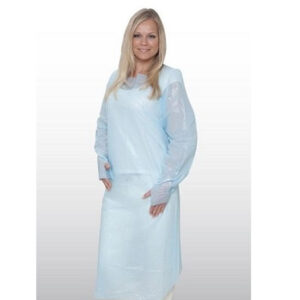
- Disposable gowns and aprons for fluid barrier protection during procedures
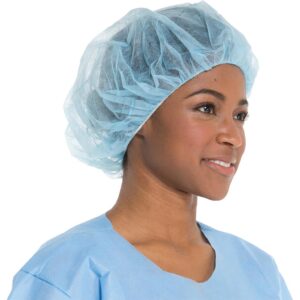
- Surgical caps, bouffant caps and head covers to minimise hair-borne contamination
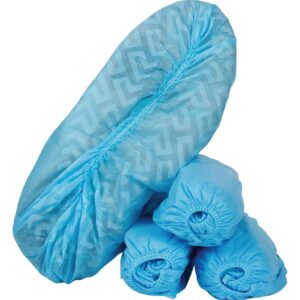
- Shoe covers and booties used in clean zones and controlled clinical areas
- Arm and sleeve guards for additional protection when handling fluids
- Coveralls or full-body suits for high-risk tasks where multiple barriers are needed
Materials used in protective wear are selected for fluid resistance, breathability, tear resistance, comfort and regulatory compliance with clinical safety standards where applicable.
Who It Is For
Protective wear is used by a broad range of professionals and support staff in healthcare and related settings where contact with patients, bodily fluids or contaminants is expected. Typical users include:
- Nurses and allied health clinicians delivering direct care
- Physicians and surgical teams performing procedures
- Environmental services staff tasked with cleaning and disinfecting clinical areas
- Laboratory technicians exposed to specimens and particulates
- Infection control officers and occupational health personnel
- Home care providers and community health workers
Because protective wear functions as part of a standard infection prevention suite, its use is guided by clinical protocols and risk assessments that align with task-specific hazard levels.
Problems This Category Solves
Healthcare environments inherently involve exposure to biological materials, contaminants, and fluids. Without reliable protective wear, caregivers and staff are at increased risk of occupational exposure and transmission of pathogens. Protective wear helps address:
- Exposure to blood, body fluids and airborne droplets
- Cross-contamination between patients, staff and clinical surfaces
- Risk of splash and spatter during procedures
- Contamination of clothing and skin during cleaning or specimen handling
- Reduction of risk in high-throughput or high-demand clinical zones
Disposables and consumables in this category provide an easily replaceable barrier that supports clinical safety without the logistical demands of laundering or reprocessing reusable garments.
Benefits for Healthcare Providers
In clinical practice, protective wear supports safer workflows and reduces occupational risk, enabling teams to focus on care delivery rather than exposure mitigation. Its role in infection prevention is especially pronounced in settings where fluid exposure and close contact are common.
Benefits include:
- Enhanced infection prevention and occupational safety
- Reduced likelihood of cross-contamination in patient care areas
- Integration into standard PPE protocols and compliance frameworks
- Operational simplicity and convenience through single use and disposal
- Support for rapid response and high-turnover clinical tasks
Properly selected protective wear contributes to cleaner care environments and helps reinforce adherence to clinical policies and workplace safety guidelines.
Common Clinical Applications
Protective wear is used routinely across many clinical applications, ranging from general patient care to specialised procedural tasks. Common use scenarios include:
- Routine examinations where fluid exposure risk exists
- Minor surgical and procedural support where splashes or droplets may occur
- Environmental services activities such as cleaning and decontamination
- Specimen handling and laboratory work involving biohazardous materials
- High-risk zones where airborne contaminants may be present
In each of these contexts, protective wear acts as a barrier that complements hand hygiene, respiratory protection and other infection control measures.
Use Cases by Healthcare Sector
- Hospitals and Acute Care Facilities
Protective wear is integral across wards, emergency departments, operating theatres and intensive care units where exposure risk is frequent and varied. - Dental and Minor Surgery Clinics
Gowns, caps and shoe covers help maintain a controlled environment during close contact and aerosol-generating activities. - Outpatient and Community Health Services
Clinicians and support staff use protective wear during patient consultations and minor procedures where barrier protection is needed. - Laboratories and Diagnostic Units
Protective garments and covers help technicians minimise contamination during specimen processing and analytical tasks. - Home Care and Community Support
Protective wear supports carers and visiting clinicians in maintaining hygiene standards outside of institutional settings.
Compliance, Safety & Handling
Protective wear used in clinical and healthcare environments must align with relevant infection prevention and workplace safety standards. In Australia, products intended as PPE may be regulated under the Therapeutic Goods Administration (TGA) when they are claimed for disease prevention or have specific performance attributes. Compliance with appropriate standards helps ensure that materials perform as expected under clinical conditions.
Safe handling practices include:
- Selecting the appropriate level of protection based on task-specific risk assessments
- Ensuring correct donning and doffing to avoid self-contamination
- Replacing single-use wear immediately after exposure or completion of a task
- Disposing of used items via designated clinical waste streams
Training and clear procedural guidelines support both safety and consistency in use across care teams.
Why Purchase This Category From Us
Choosing protective wear that aligns with clinical intent requires understanding of task risk profiles, material performance characteristics and regulatory compliance. We provide clear product specifications and guidance on suitability, helping clinical leaders and procurement teams make informed decisions grounded in functional requirements rather than general statements.
Our focus on transparency and product clarity supports inventory planning and enhances operational consistency, enabling facilities to sustain protective protocols effectively.