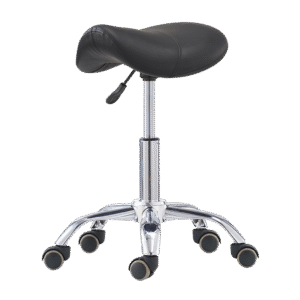
Blood Stools
Blood Stools Australia are specialised clinical seating solutions designed to support healthcare professionals during blood collection, examinations, and routine patient care procedures. These stools are engineered to provide
...Blood Stools Australia are specialised clinical seating solutions designed to support healthcare professionals during blood collection, examinations, and routine patient care procedures. These stools are engineered to provide comfort, adjustability, and mobility, helping clinicians maintain proper posture while performing tasks that require stability and precision.
In busy healthcare environments such as hospitals, pathology laboratories, GP clinics, and aged care facilities, clinicians frequently perform repetitive seated procedures throughout the day. Using purpose-built Medical Blood Collection Stools helps reduce practitioner fatigue while supporting smoother workflow and patient interaction. Unlike general-purpose seating, clinical stools are manufactured using durable materials that tolerate frequent cleaning and meet infection control standards required in Australian healthcare settings.
What This Category Covers
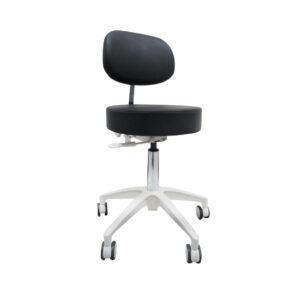
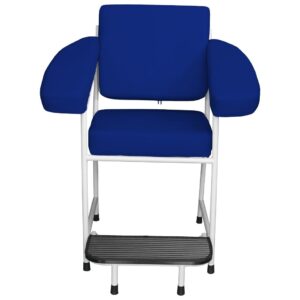
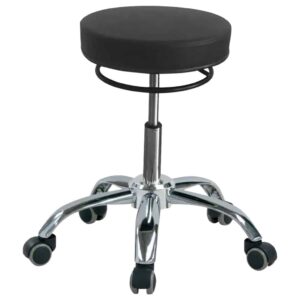
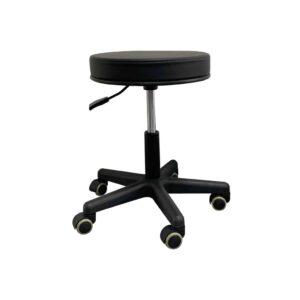
The Blood Stools category includes clinical seating solutions designed specifically for medical and diagnostic environments. These stools support various procedural and examination tasks while allowing clinicians to move efficiently between patients and equipment.
This category generally includes:
- Height-adjustable clinical stools
- Swivel stools with smooth mobility casters
- Compact procedure stools suitable for smaller treatment rooms
- Clinical stools with optional back support for extended seating
- Durable upholstery options suitable for infection control cleaning
These seating solutions are designed to support daily clinical use across a wide range of healthcare settings.
Who It Is For
Clinical Procedure Stools are widely used by healthcare professionals who perform hands-on patient care and diagnostic procedures. Phlebotomists, pathology technicians, nurses, and general practitioners rely on these stools to maintain comfortable positioning during blood collection and examination tasks.
Allied health practitioners and aged care staff also use Healthcare Seating Solutions when performing patient assessments, therapeutic procedures, and ongoing monitoring. In high-demand clinical settings such as vaccination hubs or outpatient clinics, reliable and ergonomic seating plays a key role in supporting staff performance and maintaining patient care quality.
Healthcare facilities throughout Victoria and across Australia commonly integrate Blood Stools Australia into consultation rooms, treatment spaces, and laboratory environments to support safe and efficient clinical workflows.
Problems Blood Stools Help Solve
Healthcare professionals often perform repetitive procedures that require precise positioning and extended seated interaction with patients. Standard seating can create several operational and ergonomic challenges in clinical environments.
Without adjustable seating, clinicians may experience posture strain while performing blood draws or injections. Limited mobility can slow workflow when practitioners need to reposition between patients or equipment. Additionally, general seating may not support healthcare cleaning protocols, increasing infection control risks.
Medical Blood Collection Stools help address these challenges by supporting:
- Improved ergonomic positioning during procedures
- Smooth movement between patient and equipment areas
- Reduced clinician fatigue during repetitive tasks
- Seating materials compatible with clinical infection control standards
By solving these common challenges, clinical stools help healthcare providers maintain consistent procedural accuracy and staff wellbeing.
Benefits for Healthcare Providers
Investing in high-quality Blood Stools Australia supports both operational efficiency and practitioner comfort. Ergonomically designed seating allows clinicians to maintain correct posture, which may help reduce physical strain during busy shifts.
Clinical stools also improve room functionality by allowing practitioners to reposition easily while maintaining focus on patient care. Durable construction and healthcare-grade materials ensure stools remain reliable even in high-frequency clinical environments.
Healthcare providers benefit through:
- Enhanced clinician comfort during routine procedures
- Improved workflow efficiency in treatment and diagnostic rooms
- Long-term durability suitable for continuous healthcare use
- Easy-to-clean materials that support infection prevention
- Flexible seating options suitable for different practitioner needs
These advantages help support both staff wellbeing and patient care outcomes.
Common Clinical Applications
Laboratory & Phlebotomy Stools are used across a variety of clinical tasks requiring seated interaction with patients or equipment. In pathology laboratories, clinicians use these stools during blood collection, specimen preparation, and diagnostic testing processes. GP clinics rely on clinical stools during immunisations, minor procedures, and patient consultations.
Hospitals and specialist medical centres frequently use procedure stools within triage areas, treatment rooms, and outpatient services. These stools are also commonly used during ongoing patient monitoring tasks where clinicians need reliable seating and mobility throughout their workflow.
Use Cases by Healthcare Sector
- Hospitals and Acute Care Facilities
Hospitals use Blood Stools Australia across treatment rooms and nursing stations where clinicians perform routine examinations, blood sampling, and patient monitoring procedures. Adjustable seating helps practitioners work efficiently in fast-paced clinical environments.
- Pathology and Diagnostic Laboratories
Laboratories rely heavily on Laboratory & Phlebotomy Stools to support precise diagnostic tasks. Stable and adjustable seating helps technicians maintain posture control while handling delicate specimen processing and testing procedures. - General Practice and Specialist Clinics
GP clinics and specialist practices depend on Clinical Procedure Stools during examinations, immunisations, and minor treatments. These stools help clinicians maintain flexibility and patient accessibility during consultations.
Community and Outreach Healthcare Services
Mobile healthcare providers use compact clinical stools to support vaccination programs, screening clinics, and outreach medical services. Lightweight and portable designs help support temporary clinical setups.
Aged Care Facilities
Aged care staff utilise Healthcare Seating Solutions when conducting resident health assessments, medication administration, and supportive therapy sessions. Ergonomic stools help minimise staff strain during repeated care tasks.
Compliance, Safety & Handling
Proper use of Medical Blood Collection Stools helps healthcare facilities maintain hygiene and safety standards. Clinical stools are typically designed with non-porous upholstery that supports effective cleaning and infection control.
To maintain safety and durability, healthcare providers should:
- Clean stools regularly using approved clinical disinfectants
- Adjust seating height to support practitioner posture
- Inspect caster wheels and adjustment mechanisms routinely
- Monitor upholstery for damage or wear
- Ensure stools remain stable during patient procedures
Following these handling practices helps maintain equipment reliability and safe clinical environments.
Why Buy Blood Stools From a Trusted Supplier
Healthcare facilities require seating solutions specifically designed for clinical demands rather than standard commercial furniture. Purchasing from a reliable medical supplier helps ensure access to Blood Stools Australia that meet healthcare quality expectations and operational requirements.
Trusted suppliers support healthcare providers by offering product guidance based on room design, clinical workflow, and practitioner comfort requirements. They also help ensure seating solutions meet durability and infection control standards expected in healthcare environments.
Working with experienced medical equipment providers helps facilities maintain dependable seating solutions that support practitioner efficiency and patient care quality.