Medical Supplies
Essential Equipment, Consumables & Clinical Tools
The Medical Supplies category encompasses a broad range of products used to support patient care, clinical procedures, diagnostics, environmental hygiene, and healthcare operations across hospitals, clinics, allied health services, laboratories, and community care settings.
...Essential Equipment, Consumables & Clinical Tools
The Medical Supplies category encompasses a broad range of products used to support patient care, clinical procedures, diagnostics, environmental hygiene, and healthcare operations across hospitals, clinics, allied health services, laboratories, and community care settings. Unlike durable medical equipment which is designed for long-term use medical supplies include disposables, consumables and short-use items that are used frequently in everyday care and must be replenished regularly.
Medical supplies are foundational to safe, efficient care delivery. They support core functions such as infection control, wound care, patient comfort, diagnostic sampling and clinical workflow continuity. Because clinical environments operate in conditions where patient needs vary and exposure risks are inherent, this category provides items that assist healthcare professionals in meeting safety, procedural and regulatory requirements with consistency.
What This Category Covers
The scope of the Medical Supplies category is broad and spans multiple care functions. It includes, but is not limited to:
- Disposables and consumables such as gloves, masks, wipes, autoclave pouches, waste disposal bags and bedding
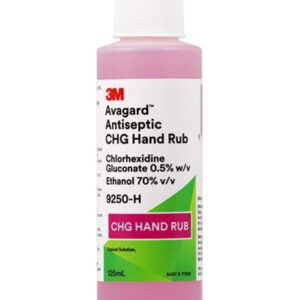
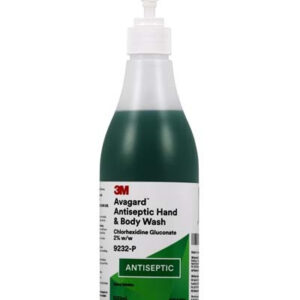
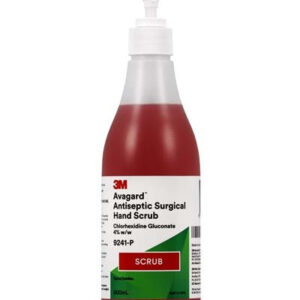
- Clinical hygiene and infection control items designed to protect patients and staff
- Procedure-related consumables used during examinations, wound management or minor procedures
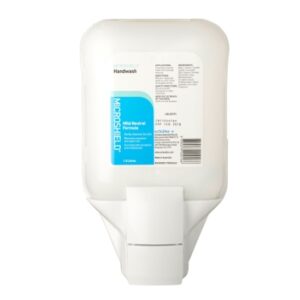
- Hygiene and sanitation support products for point-of-care cleaning and environmental control
Each sub-category contains products that are essential to specific clinical tasks or workflows, and collectively they support the hygiene, safety and operational continuity of healthcare settings.
Who It Is For
Medical supplies are essential across virtually every area of healthcare delivery. Primary users include:
- Clinical professionals nurses, physicians, allied health teams during patient assessments and procedures
- Environmental services and hygiene teams maintaining clinical spaces
- Facility managers and procurement staff responsible for stocking and replenishment
- Laboratory personnel involved in specimen processing and testing
- Aged care and community healthcare providers supporting daily care
The category is relevant wherever direct patient care, infection control, hygiene tasks, sterile supply handling or clinical detailing takes place.
Problems This Category Solves
Healthcare and care support environments encounter multiple recurring operational challenges that medical supplies help to resolve, including:
- Maintaining hygiene and infection control in areas with frequent patient contact
- Protecting patients and staff from exposure to pathogens and contaminants
- Managing clinical workflows efficiently by ensuring appropriate consumables are available when needed
- Supporting compliance with safety standards and clinical protocols
- Reducing delays in care delivery caused by lack of appropriate clinical supplies
Without consistent access to individual medical supplies, clinical teams face increased risk of procedural delays, compromised hygiene outcomes and potential breaches in workplace safety standards.
Benefits for Healthcare Providers
Medical supplies improve the day-to-day operation of clinical environments by standardising essential resources and supporting predictable care routines. Their correct use contributes to:
- Stronger infection prevention outcomes, particularly where disposables mitigate cross-contamination
- Time-efficient clinical procedures, as consumables are designed for ease of use and rapid deployment
- Enhanced staff protection, through the use of PPE and barrier products
- Reduced administrative burden when stock levels are managed proactively
- Alignment with clinical best practices, supporting audit and compliance activities
By ensuring that the right supplies are available at the right time and place, healthcare providers can focus on care quality while managing clinical risks more effectively.
Common Clinical Applications
Medical supplies serve in a wide array of clinical functions. Typical applications include:
- Infection control, with PPE, disinfectants and surface-safe consumables
- Patient hygiene, using wipes, paper rolls and disposables
- Procedure support, including autoclave packaging and examination supplies
- Waste management, with appropriate liners and sharps containers
- General clinical comfort and safety, such as bedding and absorbent linens
Each use case contributes to a broader ecosystem of care that prioritises hygiene, safety and clinical readiness.
Use Cases by Healthcare Sector
- Hospitals and Acute Care Facilities
Medical supplies in these environments support high-volume care, emergency response, surgical turnovers and multi-department workflows where consistency and availability are critical. - General Practice and Community Clinics
Smaller-scale clinical settings use simplified stock lists of medical supplies to maintain hygiene and patient interaction workflows efficiently without the infrastructure of larger hospitals. - Dental Practices and Specialist Outpatient Units
Specialised procedural supplies masks, gloves, wipes, consumables, support close-contact interventions and rapid turnover between patient appointments. - Laboratories and Diagnostic Services
Supplies such as wipes, autoclave pouches and protective wear are central to maintaining sterile workflows and protecting specimens and technicians alike. - Aged Care and Home Health Services
In these contexts, medical supplies help carers manage hygiene tasks, wound care, and minimal-infrastructure infection control with convenience and safety.
Compliance, Safety & Handling
Medical supplies must be selected and handled in accordance with applicable regulatory standards and clinical policies that govern their use and disposal. In Australia, many products are governed under workplace health and safety frameworks, infection control standards and where therapeutic claims exist by the Therapeutic Goods Administration (TGA).
Best practices include:
- Stock rotation and periodic inspection to ensure consumables remain safe and effective
- Clear segregation and disposal pathways for clinical waste and used PPE
- Staff training on proper use, donning, doffing and disposal of protective and hygiene-related supplies
- Documentation and compliance checks integrated into audit routines
Clear procedural guidance and training enhance both safety and clinical consistency across settings.
Why Purchase This Category From Us
Choosing the right medical supplies for your facility involves matching product specifications with operational needs and compliance protocols. We focus on providing detailed, transparent information about product applications, material properties and contextual use cases so that healthcare procurement professionals and clinical leaders can make data-informed decisions.
This supports predictable stock planning and operational continuity without ambiguity about product suitability or clinical relevance.