Disinfectant Wipes
Disinfectant wipes are pre-moistened, ready-to-use consumable products designed to support surface and equipment hygiene in healthcare, clinical, and allied care environments. Unlike general cleaning wipes, disinfectant wipes are formulated with specific
...
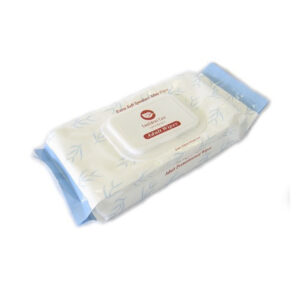
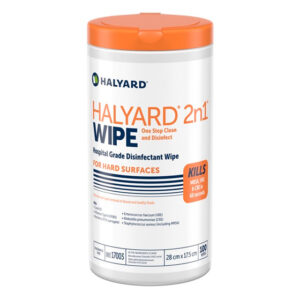
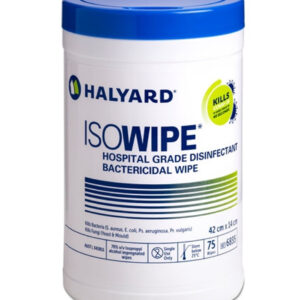
Disinfectant wipes are pre-moistened, ready-to-use consumable products designed to support surface and equipment hygiene in healthcare, clinical, and allied care environments. Unlike general cleaning wipes, disinfectant wipes are formulated with specific active agents that reduce or inactivate microorganisms on non-porous surfaces when used according to instructions. In clinical contexts, they are often used as part of structured cleaning protocols to maintain hygienic environments, minimise contamination risk, and support infection control workflows.
Healthcare facilities rely on disinfectant wipes not just for visual cleaning but to help ensure that frequently touched surfaces, clinical equipment and workstations remain safe between uses and between patients. Their convenience no mixing, no measuring makes them suited to high-turnover settings where speed and consistency are important.
What This Category Covers
This category includes a range of disposable wipes formulated with disinfectant agents that are suitable for use on a variety of healthcare surfaces. These products are typically designed for one-time use and may vary in size, active ingredient formulation, material strength and intended application.
Items in this category generally include:
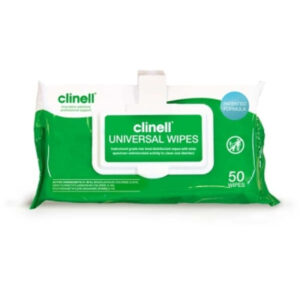
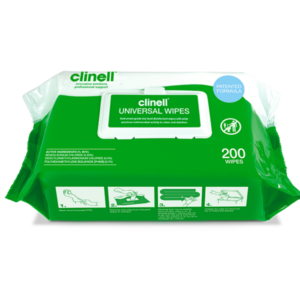
- General-purpose disinfectant wipes for routine surface sanitation
- Heavy-duty wipes for tougher soil loads and high-touch areas
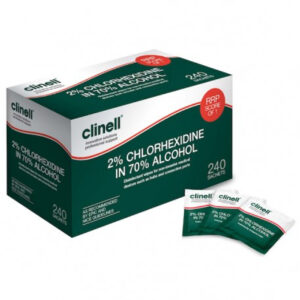
- Alcohol-based wipes for rapid disinfection on compatible surfaces
- Quaternary ammonium compound (quat) wipes for broad-spectrum efficacy
- Hypoallergenic or low-irritant wipes for sensitive environments
Each type is formulated to balance microbial efficacy, material compatibility and surface safety, depending on clinical use requirements and infection prevention expectations.
Who It Is For
Disinfectant wipes are used by clinical teams, support staff and facility services personnel in hospitals, clinics, dental practices, laboratories and allied care environments. Typical users include:
- Nurses and allied clinicians performing point-of-care cleaning
- Doctors and procedural teams maintaining equipment hygiene
- Environmental services staff tasked with sanitising surfaces
- Laboratory technicians cleaning workstations and equipment
- Facility managers planning consumable stocks and hygiene workflows
Their primary function is to support surface disinfection in areas where there is frequent contact and potential for cross-contamination.
Problems This Category Solves
Healthcare and allied environments generate a high volume of surface contact, movement and interaction with both patients and clinical equipment. Surfaces such as bed rails, instrument trays, door handles, workstation consoles and mobile devices can serve as vectors for microbial transmission if not addressed consistently.
Disinfectant wipes help address several key operational and clinical challenges:
- Rapid surface disinfection between patient interactions
- Reduction of microbial contamination on non-porous surfaces
- Simplified workflow without need for bucket, spray or separate cloth
- Mitigation of high-touch surface contamination
- Standardisation of disinfection procedures
By offering a portable, easy-to-apply format, disinfectant wipes help clinical teams manage hygiene proactively without interrupting workflow.
Benefits for Healthcare Providers
For healthcare providers, the use of disinfectant wipes supports structured infection prevention efforts and helps maintain safer care environments. When integrated with clinical cleaning protocols and hand hygiene standards, these wipes contribute to measurable hygiene outcomes.
Key benefits include:
- Efficient point-of-care disinfection
- Reduced turnaround time for surface sanitisation
- Consistency in disinfectant application
- Compatibility with frequent use where sprays and buckets are impractical
- Support for adherence to infection control standards
In settings where time and consistency are critical, disinfectant wipes help bridge the gap between ongoing clinical activity and hygiene requirements.
Common Clinical Applications
Disinfectant wipes are used routinely throughout clinical environments. Common applications include:
- Cleaning patient bed rails, bedside tables and call buttons between interactions
- Sanitis ing treatment tables, chairs and exam couches
- Wiping clinical equipment surfaces such as monitors, keyboards and touch screens
- Sanitising high-touch environmental surfaces like door handles and handrails
- Spot cleaning spills and contamination events where scheduled cleaning is not immediately available
They serve as an easily deployed tool in hygiene routines that complement regular cleaning schedules.
Use Cases by Healthcare Sector
- Hospitals and Acute Care Facilities
In these environments, high patient turnover and frequent surface contact make disinfectant wipes essential at nursing stations, treatment areas and procedure rooms. - Clinics and General Practice
Rapid, point-of-care disinfection before and after examination room use helps maintain hygiene without formal cleaning cycles. - Dental Practices
Wipes are used between patients to sanitise chairs, instruments and counters where wet sprays may be less practical. - Laboratories and Diagnostic Units
Workstations, equipment surfaces and benches can be sanitised frequently between shifts or use cycles. - Home and Community Care
Point-of-care hygiene in home environments supports infection prevention during community nursing visits or minor procedures.
Compliance, Safety & Handling
Disinfectant wipes formulated for medical or clinical use should align with healthcare infection prevention protocols. Although formulations vary, many clinical wipes are registered or listed with regulatory authorities, depending on the jurisdiction and intended antimicrobial claims. In Australia, products making therapeutic claims may be regulated by the Therapeutic Goods Administration (TGA).
Safe handling and use practices typically include:
- Following manufacturer instructions for dwell time and surface compatibility
- Avoiding use on surfaces that may be damaged by certain chemistries (e.g., alcohol on acrylic screens)
- Discarding wipes after single use to avoid cross-contamination
- Ensuring adequate ventilation when using wipes with volatile agents, where appropriate
- Storing consumables per manufacturer guidance to preserve potency and prevent drying out
Training on correct application and surface suitability supports both safety and cleaning effectiveness.
Why Purchase This Category From Us
Choosing disinfectant wipes that align with clinical hygiene needs requires understanding active ingredients, material compatibility and performance characteristics. We provide detailed product specifications including formulation types, surface use guidance, packaging formats and recommended applications so that procurement teams and clinical leaders can make informed decisions based on functional and safety requirements.
This approach supports operational continuity, hygiene protocol adherence and reliable consumable planning without ambiguity.