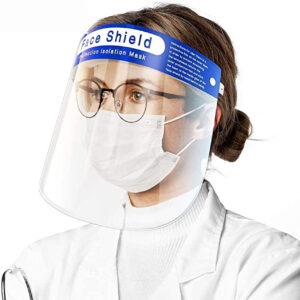
Face Masks and Respirators
The Face Masks and Respirators category comprises medical-grade protective devices designed to reduce transmission of airborne particles, droplets and, in some cases, biological pathogens in healthcare
...The Face Masks and Respirators category comprises medical-grade protective devices designed to reduce transmission of airborne particles, droplets and, in some cases, biological pathogens in healthcare and clinical environments. These products play a key role in infection prevention, respiratory protection and occupational safety across hospitals, clinics, dental practices, laboratories and allied care settings.
In clinical use, masks and respirators differ in their design and performance characteristics - from loose-fit surgical masks providing fluid barrier protection to tight-fit respirators engineered to filter small airborne particles with high efficiency. Their appropriate selection and use is aligned with clinical protocols and regulatory guidance for personal protective equipment (PPE).
What This Category Covers
This category includes disposable protective devices intended for medical and clinical use, including:
- Surgical and procedure masks designed to provide a physical barrier against fluids, splashes and large droplets in clinical settings
- Disposable face masks used for source control and limited protective functions
- Respirators (such as N95, KN95, P2, FFP2/FFP3-equivalents) that offer tight-fit filtration of airborne particles
- Mask accessories, where relevant, such as nose clips and seal enhancements for improved fit
Surgical masks are often regulated as medical devices and are tested for fluid resistance and bacterial/particulate filtration, while respirators meet specific performance and fit requirements to protect the wearer from airborne contaminants.
Who It Is For
This category is essential for a range of healthcare professionals and support personnel operating in environments where respiratory risk is a concern. These include:
- Nurses, doctors and allied health personnel in clinical care settings
- Dental practitioners and oral health assistants
- Allied procedural teams conducting minor surgeries or aerosol-generating procedures
- Infection control officers and occupational safety teams
- Facility procurement and supply chain professionals responsible for PPE stock
Face masks and respirators are also relevant in scenarios where staff and visitors must minimise transmission within clinical facilities, particularly in the presence of infectious respiratory diseases.
Problems This Category Solves
Clinical environments routinely face the challenge of controlling the spread of infectious particles and protecting both patients and staff from exposure. Shared airspaces, close physical interaction and procedures that generate aerosols increase the risk of microbial transmission.
Face masks and respirators help address these challenges by:
- Reducing spread of respiratory droplets and splashes encountered during care
- Providing fluid barrier protection for healthcare personnel
- Filtering airborne particles that could carry infectious agents
- Supporting source control when patients exhibit symptoms of respiratory infection
Selecting the appropriate device - mask or respirator - and ensuring correct fit and use are critical for maximising protective function.
Benefits for Healthcare Providers
For healthcare providers, use of disposable masks and respirators is integral to infection prevention and workplace safety strategies. Their use contributes to safer care delivery, supports compliance with occupational health standards, and helps manage evolving infection risk scenarios.
Notable benefits include:
- Enhanced respiratory protection for clinical staff in contact with infectious patients
- Fluid and particulate barrier support during patient interactions
- Source control to reduce dissemination of droplets from symptomatic individuals
- Ease of disposal after single or limited-use scenarios, reducing contamination risks
- Compatibility with clinical workflows, enabling rapid donning and doffing during procedures
When integrated into comprehensive PPE protocols, masks and respirators help maintain safety without compromising operational efficiency.
Common Clinical Applications
Face masks and respirators are widely used in healthcare settings, especially during:
- Routine patient care where fluid splashes and droplet exposure may occur
- Aerosol-generating procedures such as intubation or dental work
- Situations requiring respiratory protection from airborne pathogens
- Isolation and infection control protocols for symptomatic patients
Respirators are particularly used when a higher level of protection is warranted - for example, when treating confirmed or suspected airborne diseases. Surgical masks remain a staple in general clinical use for barrier protection and source control.
Use Cases by Healthcare Sector
- Hospitals and Acute Care Facilities
Surgical masks and respirators support infection control in inpatient wards, emergency departments and procedural units. - Dental and Minor Surgery Clinics
These devices protect practitioners and patients during close-contact procedures with moderate exposure risk. - Outpatient and Community Health Services
Masks are used to reduce transmission risk during consultations and patient screenings. - Laboratories and Diagnostic Units
Respirators may be deployed where airborne particle exposure is possible during sample handling. - Aged Care and Long-Term Care Settings
Face masks assist in source control and protection during routine resident care.
Compliance, Safety & Handling
In Australia, the Therapeutic Goods Administration (TGA) regulates medical masking and respirator devices when they are intended to prevent transmission of disease in clinical settings. Whether labelled as “medical use” or inferred from intended purpose and filtration performance, devices must meet regulatory and performance criteria appropriate to their use scenarios.
Key safety and handling practices include:
- Ensuring devices are appropriate for clinical use and regulatory compliant
- Fitting respirators correctly to achieve a tight seal and maximum filtration
- Replacing single-use masks and respirators after recommended wear or contamination
- Proper disposal following clinical waste protocols
Training in correct use, removal and disposal helps minimise contamination risks and ensures protective intent is realised in practice.
Why Purchase This Category From Us
Selecting appropriate face masks and respirators for clinical environments requires an understanding of intended use, regulatory compliance, and protection levels. We provide detailed product specifications - including filtration efficiency, device classification, and use guidance - so that healthcare teams and procurement staff can confidently match products to clinical needs.
Our emphasis is on clarity, usability and consistency of supply - not on broad claims - enabling informed selection and operational continuity in infection prevention programmes.