Waste Disposal
The Waste Disposal category encompasses consumable products and materials used to collect, contain, segregate, and safely dispose of various types of waste generated within healthcare and clinical environments. In these settings, waste is not only ordinary refuse but also
...The Waste Disposal category encompasses consumable products and materials used to collect, contain, segregate, and safely dispose of various types of waste generated within healthcare and clinical environments. In these settings, waste is not only ordinary refuse but also potentially infectious, chemical, pharmaceutical, or hazardous - requiring systems and consumables that support compliance with safety, environmental and public health standards.
Waste management in health facilities is a fundamental operational function that contributes to infection prevention, workplace safety, and the protection of patients, staff and the broader community. Consumables such as bags, liners, sharps containers and related materials are integral to structured segregation and safe handling from point of generation to final disposal.
What This Category Covers
This category includes a wide range of consumables designed specifically for clinical waste handling. These items are intended to support the capture, containment and transport of waste streams that may pose a risk if not handled correctly.
Products in this category typically include:
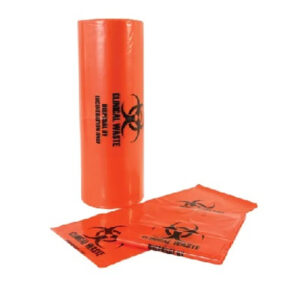
- Clinical waste bags and liners for fluids, dressings, PPE and other regulated waste
- Colour-coded waste liners that align with clinical segregation protocols
- Sharps containers engineered to safely contain needles, blades and other sharps
- Cytotoxic and pharmaceutical waste packaging
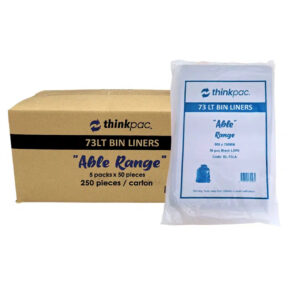
- General waste disposal bags for non-regulated refuse
Each item plays a different role in the broader waste hierarchy by helping separate, secure and maintain traceability for waste that could otherwise compromise hygiene, safety and regulatory compliance.
Who It Is For
Consumables for waste disposal are used at multiple points of care by a wide range of professionals responsible for safe clinical operations. These include:
- Nurses, clinicians and procedural staff generating clinical waste
- Environmental services teams tasked with collection and segregation
- Infection control officers overseeing compliance and staff training
- Procurement and supply chain personnel planning consumable stock
- Facility managers responsible for waste handling systems
- Laboratory staff managing specimen and sharps disposal
Correct use of waste disposal consumables is essential in environments where human exposure to waste streams must be minimised.
Problems This Category Solves
Healthcare and related settings produce multiple waste streams with varying levels of hazard. Without suitable consumables designed for clinical waste management, several challenges arise:
- Risk of infection transmission due to inadequate containment of clinical or infectious waste
- Needlestick injuries and sharps exposure if sharps are not safely isolated
- Cross-contamination between waste categories when segregation systems are unclear or incompatible
- Regulatory non-compliance with health, safety and environmental disposal mandates
- Logistical inefficiencies in waste collection and handling across departments
Products in this category address these issues by supporting correct segregation at the source, reducing exposure risks throughout handling, and enabling structured disposal pathways that align with regulatory expectations.
Benefits for Healthcare Providers
Effective waste disposal consumables help healthcare providers maintain safer clinical environments, reduce occupational risk for staff, and align practices with documented regulatory requirements. By separating waste streams correctly and providing appropriate physical barriers, these products contribute to:
- Minimised risk of needlestick injuries and contact exposure
- Clear, auditable segregation of waste by hazard class
- Reduced potential for environmental contamination
- More predictable waste collection and disposal workflows
- Supports occupational health and safety (OHS) protocols
Waste disposal consumables are not just functional materials; they underpin systems that ensure disposal practices are consistent with infection control and public health expectations.
Common Clinical Applications
Waste disposal consumables are used continuously across clinical and allied environments. Examples of common applications include:
- Sharps containment following injections, blood draws or surgical tasks
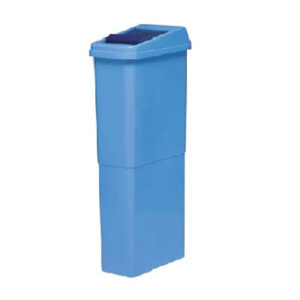
- Clinical waste segregation and bin lining post procedures, treatments and patient care
- Pharmaceutical waste management during drug preparation and disposal
- General refuse handling for paper, packaging and non-clinical debris
- Biohazard waste containment in areas where infectious material is present
These applications are essential to structured waste management programmes that reduce risk and support compliance.
Use Cases by Healthcare Sector
- Hospitals and Acute Care Facilities
Large, diverse waste streams are generated daily; waste disposal consumables support segregation from emergency units through to surgical suites and wards. - Clinics and Practitioner Rooms
Sharps containers and clinical waste liners help small-to-medium facilities manage risks within compact care areas. - Dental Practices
Specialised consumables support safe disposal of sharps, used PPE and clinical waste generated during oral procedures. - Laboratories and Diagnostic Units
Consistent use of waste liners and sharps containment promotes safety during specimen handling and processing. - Home Care and Community Health
Harms are minimised when carers use disposable bags and sharps containers in home settings, following clinical disposal standards where applicable.
Compliance, Safety & Handling
Waste disposal consumables must align with clinical waste segregation systems and statutory disposal requirements. In Australia, healthcare waste classifications - clinical, regulated, pharmaceutical and sharps - are governed by state and federal guidelines that dictate how waste is identified, separated and prepared for final disposal responsibly.
Key safety and handling practices include:
- Colour-coded segregation (e.g., clinical vs general vs pharmaceutical) to align with organisational and regulatory waste streams
- Immediate placement of sharps into purpose-built containers at the point of use
- Secure sealing of liners and bags before transport to storage or disposal areas
- Training for clinical and environmental services staff on safe handling and disposal routes
- Compliance with clinical waste tracking and documentation where required
Clear procedural protocols and consistent consumable use help reduce exposure risk to staff, patients and waste handlers.
Why Purchase This Category From Us
Selecting appropriate waste disposal consumables requires more than choosing a bag type or container size; it requires understanding how those consumables integrate into clinical segregation protocols, safety frameworks and operational flows. We provide detailed product specifications - including size, material strength, use case compatibility and colour-coding guidance - so that procurement teams and clinical leaders can match supplies to functional needs accurately.
This approach supports inventory planning, waste management strategy alignment and operational continuity without ambiguity.