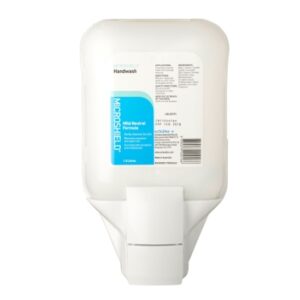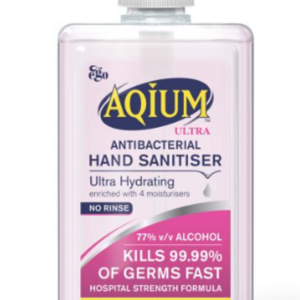
Hand Sanitisers
Hand sanitisers are alcohol‑based or antimicrobial solutions designed to reduce the presence of harmful microorganisms on the hands when soap and water are not readily available. These products
...Hand sanitisers are alcohol‑based or antimicrobial solutions designed to reduce the presence of harmful microorganisms on the hands when soap and water are not readily available. These products play a critical role in infection prevention and control by helping clinicians, patients and visitors quickly sanitise their hands between interactions, procedures and contact points.
Across healthcare environments in Australia, including hospitals, GP clinics, specialist practices, dental surgeries, pathology labs, aged care facilities and community health centres particularly in busy regions like Victoria hand sanitisers Australia are widely used to support daily hygiene routines and reduce the risk of healthcare‑associated infections (HAIs). When used appropriately, sanitisers complement handwashing and help promote safer healthcare delivery in high‑traffic clinical areas.
Unlike general consumer sanitising gels, medical‑grade hand sanitisers are formulated to meet clinical safety standards, maintain skin integrity with frequent use, and deliver reliable antimicrobial performance.
What This Category Covers
The Hand Sanitisers category includes a variety of sanitising solutions designed to support infection prevention, hygiene compliance and safe clinical workflows. These products are formulated to meet healthcare standards and are suitable for frequent use in high‑touch, high‑traffic areas.
This category typically includes:
- Alcohol‑based hand sanitiser gels : widely used in clinical and patient‑facing areas
- Foam hand sanitisers : with gentle foaming action for frequent application
- Gentle moisturising formulations : designed to reduce skin dryness during repeated use
- Clinical‑grade hospital formulations : optimised for healthcare infection control
- Sanitiser refills and bulk supply bottles : for dispensers and bulk refill stations
These products ensure that effective sanitising options are available where needed most from waiting rooms to treatment spaces, washrooms and bedside care areas.
Who It Is For
Hand sanitisers are used by virtually everyone within clinical and care delivery environments. Healthcare professionals including nurses, doctors, allied health practitioners, emergency responders and support staff rely on sanitisers to maintain hand hygiene between patient contacts, after glove removal or before handling equipment.
Patients, caregivers and visitors also benefit from easy access to medical hand sanitisers Australia, especially in shared spaces, reception areas, waiting rooms, procedural suites and communal zones. In facilities throughout Victoria and Australia, strategic placement of sanitisers supports widespread adherence to hand hygiene practices and reinforces safer clinical environments.
Problems Hand Sanitisers Help Solve
Frequent touchpoints, high visitor volumes and rapid patient throughput create an environment where microbes can easily spread from surface to surface and person to person. While handwashing with soap and water remains a cornerstone of infection prevention, there are many moments in clinical workflows when access to a wash basin is inconvenient or time‑consuming.
Hand sanitisers help address these challenges by:
- Enabling rapid hygiene compliance between patient interactions
- Supporting infection control measures when handwashing is not immediately available
- Reducing the risk of cross‑contamination during high‑flow care delivery
- Helping maintain skin health through gentle formulations
By making sanitisers available at point‑of‑care positions, healthcare facilities improve both convenience and hygiene performance in day‑to‑day operations.
Benefits for Healthcare Providers
Integrating quality hand sanitisers Australia across clinical environments delivers practical and clinical benefits that support both patient safety and staff workflows. Ready access to reliable sanitising agents helps healthcare professionals comply with hand hygiene guidelines and reduces the time needed for repeated hand cleansing when wash facilities are not close by.
Sanitisers also support broader infection control strategies by providing an additional layer of defence against microbial transmission. With formulations designed for frequent use, modern sanitiser solutions help preserve skin integrity while delivering consistent antimicrobial performance.
Key benefits include:
- Improved hand hygiene compliance across clinical settings
- Less interruption to workflow when handwashing facilities are distant
- Versatile application in procedural, reception and public areas
- Formulations that support skin moisture with frequent use
These advantages contribute to a safer, cleaner clinical environment where infection prevention is a shared responsibility.
Common Clinical Applications
Hand sanitisers are used wherever frequent hand hygiene is required throughout healthcare settings. In reception and waiting areas, sanitiser stations help clinicians, patients and visitors decontaminate hands before entering care spaces. In treatment or procedural rooms, sanitising solutions enable clinicians to prepare quickly between patient contacts or before handling instruments and equipment.
In pathology, dental and allied health environments, sanitiser use between patient interactions and before specimen handling supports cleaner workflows and reduces surface contamination. Across fractures, allied health, rehabilitation, aged care and outpatient spaces, the presence of sanitisers reinforces hygiene habits and supports consistent infection control practices.
Use Cases by Healthcare Sector
- Hospitals and Acute Care Facilities
In hospital environments, hand sanitisers Australia are placed at ward entrances, nurse stations, treatment rooms, patient bedsides and common areas to encourage compliance with hygiene standards and reduce microbial transmission. - General Practice and Specialist Clinics
Clinics use hand sanitisers in waiting rooms, consult rooms and procedural spaces to support hygiene between patient consultations and minor procedures, reinforcing consistent compliance with infection prevention protocols. - Pathology and Diagnostic Services
Labs and diagnostic suites use sanitising agents to support clean hand practices before and after specimen handling, equipment use, and other tasks where skin hygiene contributes to safe work environments. - Aged Care and Residential Healthcare
In aged care settings, hand sanitisers help caregivers and residents maintain clean hands during resident support tasks, mealtime routines, therapeutic care and communal interactions, supporting safer care outcomes. - Community Health and Outreach Services
Mobile clinics, outreach programs and community health events place sanitiser stations at reception tables, service points and treatment areas to help staff and visitors adhere to hygiene protocols in temporary or pop‑up care settings.
Compliance, Safety & Handling
Using hand sanitisers effectively and safely requires correct placement, regular refill maintenance and adherence to clinical hygiene guidelines. Healthcare facilities should position sanitiser stations at strategic points including entrances, procedural zones, washrooms and patient contact areas to maximise usage and compliance.
Staff should also be trained on appropriate application techniques, including applying the recommended volume and rubbing hands thoroughly until dry. Sanitisers with high alcohol content should be monitored for safe storage and refilled before they run empty to avoid lapses in access.
Healthcare teams should ensure that formulation labels, expiry dates and dispenser mechanisms are regularly inspected as part of routine environmental hygiene checks.
Why Buy Hand Sanitisers From a Trusted Supplier
Healthcare providers require medical hand sanitisers that are formulated specifically for frequent use, proven antimicrobial efficacy and compatibility with clinical infection control expectations. A trusted supplier ensures access to products that meet healthcare‑grade standards, comply with safety regulations, and deliver consistent performance in high‑use environments.
Working with an experienced medical supplies partner means getting guidance on formulations (alcohol vs foam), dispenser compatibility, bulk ordering, and refill logistics. Reliable supply support helps healthcare facilities maintain hygiene stock levels, reduce risk of supply shortages, and focus on delivering consistent, safe patient care.