Nutritional Supplements
The Nutritional Supplements category includes a broad range of products formulated to provide targeted nutrient support where dietary intake alone may not meet physiological needs. These products are
...The Nutritional Supplements category includes a broad range of products formulated to provide targeted nutrient support where dietary intake alone may not meet physiological needs. These products are intended to support health across different age groups, clinical conditions, and functional requirements, including energy provision, immune support, metabolic balance, and recovery support.
While a balanced diet is the foundation of nutrition, there are clinical situations such as recovery from illness, chronic deficiency states, or increased metabolic demand where supplementation plays a meaningful role. In these settings, nutritional supplements are used as part of a structured health plan developed with healthcare professionals rather than as standalone remedies.
What This Category Covers
This category encompasses a wide spectrum of compounds designed for oral intake and measurable nutritional contribution. Unlike general food products, these supplements are formulated to provide specific vitamins, minerals, macronutrients or specialised nutrient combinations that may be difficult to achieve through diet alone.
The range typically consists of:
- Multivitamins and multimineral formulas that supply essential micronutrients
- Vitamin and mineral-specific supplements for targeted support
- Protein and amino acid products supporting muscle maintenance and repair
- Specialised nutritional formulas tailored to clinical needs
- Omega-3 and essential fatty acid supplements
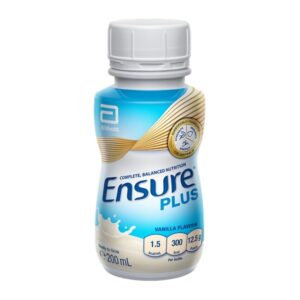
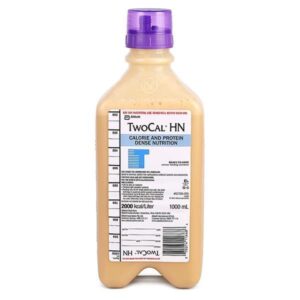
These products may come as tablets, capsules, powders, liquids, or ready-to-drink formulations, with dosing tailored to meet individual nutritional plans.
Who It Is For
Nutritional supplements are relevant for individuals with increased nutrient requirements, limited dietary intake, or specific health conditions that challenge nutritional status. This includes older adults at risk of deficiency, people with restricted diets, those recovering from surgery or illness, and individuals undergoing clinical treatments that impact appetite, absorption or metabolism.
Healthcare professionals including dietitians, general practitioners, aged care clinicians, and community care teams often recommend supplements when dietary sources alone are inadequate or impractical. Advances in formulation have also made nutritional support a useful adjunct in chronic disease management, wound healing, and rehabilitation programs.
Problems This Category Solves
Nutritional imbalances and deficits can arise in a wide range of contexts, from sub-optimal dietary patterns to medical conditions that impair nutrient absorption or increase metabolic demands. Supplements help address:
- Micronutrient gaps caused by restricted diets, ageing or malabsorption
- Heightened protein and energy needs during recovery or illness
- Support for immune function when demands exceed dietary intake
- Nutrient support in phases of life such as pregnancy, ageing or rehabilitation
Without structured nutritional support, persistent deficiencies can contribute to fatigue, slowed healing, immune compromise, and functional decline especially in vulnerable populations.
Benefits for Healthcare Providers
In clinical practice, nutritional supplements are tools used to support patient centric goals such as restoring balanced nutrient levels and enhancing overall function. Their use is guided by assessment, laboratory data when available, and a care plan that aligns with broader therapeutic objectives.
For healthcare providers, benefits include:
- Providing measurable and reproducible nutrient support
- Supporting patients whose diets alone cannot meet requirements
- Enhancing recovery timelines and functional outcomes
- Allowing targeted intervention where food intake is limited or compromised
When integrated into comprehensive care pathways, supplements help clinicians address nutritional risks proactively rather than reactively.
Common Clinical Applications
Nutritional supplements are commonly used in clinical contexts such as:
- Recovery after surgery or prolonged illness
- Management of nutrient deficiencies identified through clinical assessment
- Support during treatment phases that reduce appetite or absorption
- Age-related sarcopenia and maintenance of lean body mass
- Supplementation in cases of specialised dietary restrictions
For example, targeted amino acids and higher-protein formulas can support muscle maintenance in patients with elevated metabolic demand, while specific micronutrients like calcium and vitamin D are frequently used in bone health protocols.
Use Cases by Healthcare Sector
- Hospitals and Rehabilitation Centres
In acute and post-acute settings, supplements are used alongside nutritional care plans to support healing and reduce the risk of malnutrition. - Aged Care and Community Services
In aged care and community support, supplementation supports quality of life and functional independence where intake from meals may be reduced. - Primary Care and Chronic Disease Management
General practitioners and chronic disease teams integrate supplements into long-term management plans when deficiencies or specific nutrient needs are clinically indicated. - Home-Based Care and Self-Management
Individuals with guidance from dietitians or clinicians may use supplements to maintain nutritional balance and support self-directed wellness goals.
Compliance, Safety & Handling
In Australia, nutritional supplements are regulated by the Therapeutic Goods Administration (TGA) when classified as complementary medicines. Safety considerations include appropriate dosing, awareness of potential interactions with medications, and choosing products that meet quality standards.
Safe use requires:
- Assessment of medical history and current medications
- Consultation with a healthcare provider before starting supplementation
- Monitoring for adverse effects or nutrient excess
- Avoiding assumptions that higher doses are inherently better
Patients should always disclose supplement use to clinicians, especially when undergoing medical treatment, to avoid interactions and ensure integrated care.
Why Purchase This Category From Us
Selecting the right nutritional supplements involves more than choosing a bottle off a shelf. It requires understanding nutrient profiles, clinical indications, patient preferences, and integration with overall dietary plans.
Our approach focuses on supplying detailed product information, transparent nutrient breakdowns, and guidance that supports informed healthcare decisions. This allows clinicians and procurement teams to evaluate suitability based on clinical needs rather than broad marketing claims.
We provide clear technical specifications, compatibility insights for clinical use, and consistent product availability to align with patient care protocols.