Wheelchairs
Wheelchairs are essential mobility devices designed to support individuals who have difficulty walking or are unable to walk due to injury, illness, disability or age‑related conditions. These devices
...Wheelchairs are essential mobility devices designed to support individuals who have difficulty walking or are unable to walk due to injury, illness, disability or age‑related conditions. These devices provide safe, stable and ergonomic support for users, allowing them greater independence and ease of movement whether in clinical settings, residential care, community spaces, or at home.
Across healthcare facilities in Australia, including hospitals, rehabilitation centres, aged care homes, outpatient clinics and community health programs particularly in regions like Victoria where aged populations are significant wheelchairs Australia play a vital role in daily mobility, physical therapy, care support and quality of life outcomes. Unlike improvised mobility solutions, healthcare‑grade wheelchairs are engineered to comply with safety standards, withstand heavy use and integrate with clinical workflows to support patient care.
For healthcare providers and care planners, selecting the right wheelchair means balancing comfort, durability, user needs and environmental requirements, all while ensuring safety, ease of use and long‑term reliability.
What This Category Covers
The Wheelchairs category includes a broad selection of mobility solutions tailored to a range of clinical and personal care needs. These products support both temporary and long‑term mobility requirements across diverse care environments.
This category typically includes:
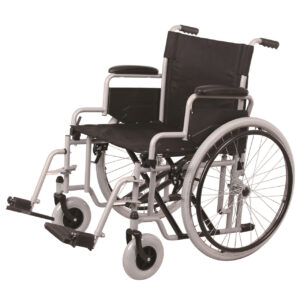
- Standard wheelchairs : basic models for everyday mobility
- Lightweight and transport wheelchairs : for ease of transit and travel
- Self‑propel wheelchairs : allowing users to move independently
- Attendant‑propel wheelchairs : designed for caregiver‑assisted movement
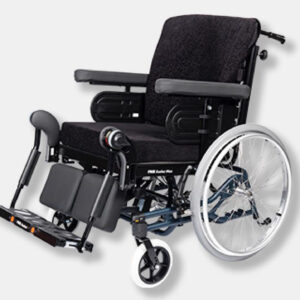
- Reclining and tilt‑in‑space wheelchairs : for enhanced positioning and comfort
- Specialised therapeutic wheelchairs : for specific clinical needs
Each of these options is designed to address unique mobility goals, from short‑term post‑procedure movement to long‑term user independence.
Who It Is For
Wheelchairs are used by individuals across all age groups who experience limitations in their ability to walk or maintain safe balance. This includes patients recovering from surgery, individuals with chronic health conditions, people with disabilities affecting mobility, older adults needing support for daily movement, and temporary users during rehabilitation programs.
Healthcare professionals including physiotherapists, occupational therapists, nurses and discharge planners work with patients and care teams to assess mobility needs and recommend wheelchair solutions that best support each individual’s lifestyle, physical capabilities and long‑term care goals. In both clinical and community settings throughout Victoria and Australia, properly selected wheelchairs help users navigate spaces safely and comfortably.
Problems Wheelchairs Help Solve
Restricted mobility presents significant challenges in daily life, ranging from reduced independence and increased reliance on caregivers to risk of secondary complications such as contractures, pressure injuries, deconditioning and diminished participation in social or community activities. Standard chairs, walkers or improvised seating often do not provide adequate support, stability or mobility.
Wheelchairs help address these challenges by:
- Providing a safe, ergonomic platform for seated mobility
- Supporting users who cannot walk for extended distances or at all
- Reducing strain on caregivers by facilitating assisted movement
- Helping maintain postural support and reduce risk of injury
- Supporting participation in daily activities, therapy engagement and community access
By offering purposeful mobility solutions, wheelchairs help reduce barriers to movement, improve quality of life and strengthen clinical outcomes related to physical activity and autonomy.
Benefits for Healthcare Providers
Integrating quality wheelchairs Australia into care offerings delivers multiple clinical and operational benefits. Wheelchairs support safe patient transfers, facilitate discharge planning, and provide clinicians with reliable tools that reduce the need for improvised mobility approaches.
Well‑designed mobility equipment improves care efficiency, reduces physical strain on care staff, and enhances patient satisfaction. It also supports rehabilitation goals by enabling users to engage in therapeutic activities without unnecessary restrictions. Durable, reliable wheelchairs contribute to cost‑effective care delivery by minimising equipment replacement and reducing injury risk associated with poor‑quality mobility solutions.
Key advantages include:
- Enhanced patient mobility and independence
- Reliable performance suitable for clinical and residential use
- Support for diverse clinical needs and mobility goals
- Improved comfort and ergonomic design
- Facilitated patient transfers and transitions
These benefits help healthcare teams maintain safe, efficient, patient‑centred environments whether in acute care, rehabilitation, aged care or home settings.
Common Clinical Applications
Wheelchairs are used in various clinical and care scenarios where assisted or independent mobility support is needed. In hospitals, they help transport patients between wards, diagnostic areas, treatment spaces and discharge points. In rehabilitation units, wheelchairs assist patients in gait training, task engagement and recovery activities.
Community health providers use wheelchairs during home visits and outpatient mobility support programmes. Aged care facilities rely on quality mobility equipment to support residents in daily movements, activity participation and social engagement. Across physiotherapy and occupational therapy contexts, wheelchairs help users practise safe transfers, maintain posture and build functional independence.
Use Cases by Healthcare Sector
- Hospitals and Acute Care Facilities
Wheelchairs Australia supports patient movements across wards, between procedures, during discharge planning and within outpatient catchments. They help clinicians ensure safe transit and reduce manual lifting or improvised transport techniques. - Rehabilitation and Therapy Centres
Rehabilitation teams use mobility chairs during therapeutic activities to improve independence, engage users in functional tasks, and assist individuals in regaining confidence in movement. - General Practice and Specialist Clinics
Clinics utilise wheelchairs to support patients with mobility limitations who attend consultations, diagnostics or minor procedural visits, offering dignified and comfortable seating that meets safety standards. - Aged Care and Residential Support
In aged care, wheelchairs help residents move independently between communal spaces, activity areas, therapy zones and personal rooms, supporting quality of life and ongoing participation. - Community Health and Outreach Services
Mobile healthcare teams use compact or transport wheelchairs during home visits, community clinics, chronic disease programmes and screening events where users may not have personal mobility equipment.
Compliance, Safety & Handling
Using wheelchairs safely requires adherence to clinical guidelines, proper sizing and ongoing maintenance. Healthcare teams should conduct thorough mobility assessments, measure for seat width, depth and height, and consider user weight capacity to ensure the selected wheelchair supports individual needs without compromise.
Routine inspection of wheelchairs including brakes, wheels, seat upholstery and frame stability helps maintain equipment performance and safety. Staff training on safe transfer techniques, manoeuvring in tight spaces, and wheelchair adjustments supports reduced risk of injury to both the user and caregiver.
Infection control measures, including cleaning upholstery and contact points with approved disinfectants, help maintain hygienic conditions in clinical and shared environments.
Why Buy Wheelchairs From a Trusted Supplier
Healthcare facilities and individuals require wheelchairs Australia that are designed for medical and mobility use not generic consumer products that may lack durability or safety features. A trusted healthcare supplier ensures access to wheelchairs engineered for clinical reliability, ergonomic comfort and long‑term durability.
Working with an experienced supplier helps clinicians and care planners choose wheelchair models that match specific needs whether that means lightweight transport options, self‑propel units, reclining models or specialised therapeutic chairs. Expert guidance, warranty support and access to spare parts contribute to safer, more sustainable mobility solutions for healthcare settings.