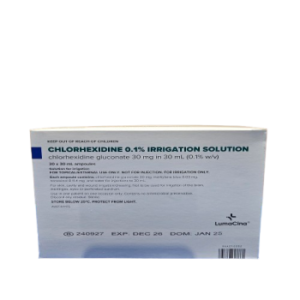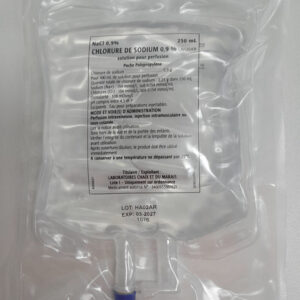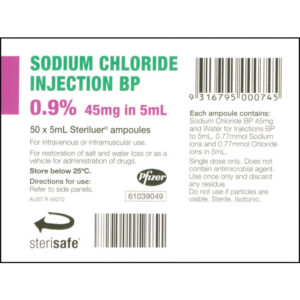
Infusion Solutions
Infusion solutions refer to sterile liquid preparations administered intravenously (IV) to deliver fluids, electrolytes, nutrients, and medications directly into a patient’s bloodstream. These solutions are foundational to clinical
...Infusion solutions refer to sterile liquid preparations administered intravenously (IV) to deliver fluids, electrolytes, nutrients, and medications directly into a patient’s bloodstream. These solutions are foundational to clinical care, supporting hydration, blood pressure management, medication delivery, nutritional support, and electrolyte balance restoration.
In healthcare environments across Australia, including hospitals, emergency departments, surgical units, intensive care settings, and community clinics, medical infusion supplies are essential for effective patient management. These products empower clinicians to deliver precise fluid therapy while supporting safe, monitored care.
From routine hydration therapy to specialised clinical requirements, clinical infusion therapy plays a crucial role in both acute and ongoing patient care pathways.
What This Category Covers
The Infusion Solutions category includes a range of sterile fluid products and related accessories designed for intravenous administration.
This category typically includes:
- Standard IV Fluids – balanced electrolyte solutions for hydration
- Dextrose and Glucose Solutions – energy-providing fluids for metabolic support
- Saline Solutions – sodium chloride solutions for fluid therapy
- Balanced Multi-Electrolyte Infusions – solutions tailored for specific clinical needs
- Specialised Infusion Solutions – formulations for patient-specific therapy needs
- Infusion Accessories – sterile bags, connectors, and administration sets
Together, these products support a wide range of clinical therapies where intravascular fluid replacement and delivery are essential.
Who It Is For
Infusion Solutions Australia are used by healthcare professionals across multiple care settings where IV therapy is required, including:
- Hospital nursing and clinical teams
- Emergency and critical care clinicians
- Surgical and perioperative staff
- Anaesthetists and ICU teams
- Community health and ambulatory care clinicians
- Aged care nurses managing complex care plans
- Paramedic and mobile care services
Whether administering routine hydration, electrolyte therapy, medication delivery, or specialised clinical infusions, trained healthcare professionals rely on these solutions for safe and effective patient care.
Problems Infusion Solutions Help Solve
In clinical practice, fluid balance and controlled delivery of medications or nutrients are vital to patient wellbeing. Medical infusion supplies help address several key healthcare challenges:
Impaired Hydration and Electrolyte Imbalance
- Corrects dehydration and restores fluid balance
- Supports patients unable to take oral fluids
Inadequate Vascular Access for Medication Delivery
- Provides a direct route for IV medications
- Ensures reliable therapeutic concentrations in bloodstream
Perioperative Fluid Management
- Maintains fluid balance during surgery
- Assists in stabilising haemodynamics in surgical patients
Critical Care Support
- Supports intensive care patients requiring continuous fluid and electrolyte therapy
- Delivers specialised infusions under close clinical monitoring
Nutritional Supplementation Challenges
- Provides parenteral nutrition components when oral intake is insufficient
By enabling controlled fluid and therapeutic delivery, infusion solutions Australia contribute to stabilising patient health across acute and extended care settings.
Benefits for Healthcare Providers
Incorporating high-quality IV fluids and infusion solutions into clinical protocols yields multiple benefits:
- Accurate fluid and electrolyte management based on patient needs
- Safe intravascular administration with tested sterile solutions
- Flexible clinical use in emergency, surgical, or ongoing therapy
- Supports medication and nutrient delivery without oral dependence
- Improves patient hydration and vascular stability
- Enhances clinical confidence through standardised therapy options
These advantages help clinicians deliver safe, evidence-based care while maintaining fluid balance and therapeutic effectiveness.
Common Clinical Applications
Infusion solutions are essential in numerous care scenarios where fluid therapy is medically indicated:
- Routine hydration therapy for medical and surgical patients
- Correction of dehydration, electrolyte disturbances, and shock
- Perioperative fluid management during anaesthesia and surgery
- Critical care and intensive therapy unit (ICU) management
- Delivery of IV medications, including antibiotics and analgesics
- Nutritional support where oral intake is limited
- Emergency trauma care and fluid resuscitation
Across diverse applications, IV infusions remain a fundamental tool in clinical practice.
Use Cases by Healthcare Sector
- Hospitals and Acute Care Centres
Hospitals rely heavily on infusion solutions Australia for perioperative fluid therapy, critical care management, emergency resuscitation, and routine inpatient hydration. - Surgical and Anaesthesia Units
Operating theatres and anaesthesia teams use specific IV solutions to maintain blood pressure, manage fluid shifts, and support anaesthetic drug administration during surgical procedures. - Intensive Care and Emergency Departments
In critical care areas, continuous infusion therapy delivers essential fluids, electrolytes, and supportive medications with precision under close monitoring. - Community and Ambulatory Care
Clinics and outpatient facilities use IV infusion solutions when patients require hydration and medication delivery outside hospital settings. - Aged Care and Residential Facilities
Complex care plans in aged care settings often include IV therapy to manage hydration, nutrient support, or slow medication administration in residents unable to use oral routes. - Paramedic and Pre-Hospital Care
Ambulance and mobile healthcare teams use portable infusion solutions for initial patient resuscitation and stabilisation during transport.
Compliance, Safety & Handling
Using medical infusion supplies safely and effectively requires strict adherence to clinical protocols, sterility guidelines, and regulatory standards.
Key considerations include:
- Ensure products comply with relevant Australian therapeutic device regulations
- Use infusion solutions in accordance with clinical guidelines and patient prescriptions
- Maintain aseptic technique during setup, administration, and bag changes
- Store solutions at recommended temperatures and conditions to maintain sterility
- Monitor patients continuously during IV therapy for signs of complications
- Dispose of used IV bags and administration sets according to clinical waste protocols
Adhering to safety and handling standards protects patients and clinicians while preserving solution quality.
Why Buy Infusion Solutions From a Trusted Supplier
Healthcare providers need access to medical infusion supplies that are:
- Sterile and compliant with clinical standards
- Available in appropriate volumes and formulations for patient needs
- Supported by guidance on selection, handling, and administration
- Reliable in supply for routine and urgent clinical use
Working with a trusted medical supplier ensures healthcare teams can maintain consistent access to high-quality infusion solutions that support effective fluid therapy and patient care.